Cedar City Or Enoch: How To Choose Your Next Home Base
Wondering whether Cedar City or Enoch makes more sense for your next move? It is a smart question, especially if you want the right mix of home value, daily convenience, space, and long-term fit. The good news is that both communities offer distinct advantages, and when you understand how they differ, your decision gets much clearer. Let’s dive in.
If you are choosing between Cedar City and Enoch, the biggest difference is simple. Cedar City is the larger, more service-rich hub, while Enoch offers a smaller-town setting with a stronger rural-residential feel.
Cedar City has a population of 41,871 across 35.86 square miles. Enoch is much smaller at 8,847 residents across 7.84 square miles. That size difference shapes everything from housing options to commute patterns to how each place feels day to day.
Owner occupancy also tells part of the story. Cedar City reports 56.7% owner occupancy, while Enoch reports 87.7%. In practical terms, Cedar City tends to offer a more varied housing mix, while Enoch leans more heavily toward owner-occupied homes and larger household sizes.
For many buyers, price and available choices are where the decision starts. Right now, Cedar City and Enoch are not identical markets.
As of May 31, 2026, Zillow estimated Cedar City’s typical home value at $406,165, up 2.8% year over year. Enoch’s typical home value was higher at $455,804, up 1.2% year over year.
Inventory is also very different. Cedar City had 351 active listings, while Enoch had only 46. That means Cedar City gives you more opportunities to compare neighborhoods, home styles, and price points, while Enoch may require faster decision-making when the right property appears.
Cedar City’s public market data also points to an active resale market. Zillow showed a median sale price of $400,500 for April 2026, and Redfin reported a $415,000 median sale price over the prior three months, up 9.4% year over year.
If you want more options and a broader price range, Cedar City may feel easier to shop. If you are focused on a smaller market and are comfortable with tighter inventory, Enoch may still be worth the extra patience.
Because The Christensen Team works with residential homes, land, building lots, and new construction, this is where local guidance can make a real difference. In a thinner market like Enoch, knowing how to evaluate timing, lot potential, and resale fit can help you move with more confidence.
Your ideal home base is not just about price. It is also about how you want to live on the property itself.
Enoch’s planning documents show a wider range of lot patterns, including rural residential areas with average lots of 2.5 acres and 5 acres. The city also references Residential 18,000 square foot zoning and planned unit development standards with minimum lot sizes as small as 4,000 square feet.
That matters because it shows Enoch can support both compact neighborhood products and larger acreage-style living. If you want more land, more yard space, or a property that feels more open, Enoch offers a clearer path to that lifestyle.
Cedar City trends differently. Its 2022 general plan points toward growth on the west and south sides of the I-15 corridor, with attention to infill, housing flexibility, and balancing growth with neighborhood character. A 2024 Utah public notice also showed reduced minimum lot widths in several residential zones.
In plain terms, Cedar City is generally more compact and more varied. You may see a wider mix of established neighborhoods, newer subdivisions, and smaller-footprint residential options.
Enoch is often the better fit if you are drawn to land, larger yards, or a more rural-residential setting. If you are comparing a finished home versus a building lot, Enoch may also deserve a closer look.
For buyers considering land or custom-home decisions, this is a key point. A community can look similar on a map, but lot configuration, growth patterns, and zoning direction can create a very different day-to-day experience.
Where you live affects more than your address. It shapes how easy it is to get to work, run errands, travel, and move through your week.
Cedar City has the stronger daily access network. The city operates CATS fixed-route buses and Dial-A-Ride service. Cedar City also promotes its regional airport as the closest airport to most of the national parks in the Southwest.
The city’s general plan also describes Cedar City as the region’s economic hub, with I-15 continuing to influence growth and mobility. For many buyers, that translates to easier access to services, shopping, employment, and public amenities.
Enoch is more car-dependent. The city’s 2025 general plan says Enoch does not currently have transit service, and it places the Cedar City airport about six miles away. Enoch relies heavily on I-15 and Highway 91 for broader access.
The commute data reinforces that difference. Census QuickFacts reports a mean travel time to work of 13.4 minutes in Cedar City compared with 24.3 minutes in Enoch.
Cedar City may be the better match if you want:
Enoch may be the better match if you are comfortable driving more for the tradeoff of:
Numbers matter, but feel matters too. You want a place that fits how you actually want to spend your time.
Cedar City’s official planning materials highlight arts, culture, tourism, trails, downtown redevelopment, and its identity as Festival City and Gateway to the Parks. Municipal pages also show a broad public amenity mix, including parks, an aquatic center, golf, soccer facilities, and transit services.
That gives Cedar City a more active, publicly programmed feel. If you enjoy having more built-in amenities and a stronger town-center environment, Cedar City likely checks more boxes.
Enoch presents a different identity. City materials emphasize pioneer heritage, a small-town character, and growth that still preserves a rural feel. Enoch’s parks system includes multiple neighborhood parks, disc golf, and a Recreation Advisory Board that helps oversee parks, trails, and recreation facilities.
Cedar City is often the better fit if you want convenience, activity, and a wider mix of municipal services. Enoch is often the better fit if you want more room, a quieter home base, and a setting that feels more residential and less busy.
Neither choice is universally better. The right choice depends on whether your priority is access or elbow room, more listings or more land, faster errands or a slower pace.
If you are still torn, try narrowing your choice using the priorities below.
Cedar City and Enoch are close geographically, but they can lead to very different buying experiences. A home search in Cedar City may involve comparing more neighborhoods and resale options, while a search in Enoch may require a sharper plan around inventory, lot fit, and timing.
That is especially true if you are relocating, buying from out of town, or weighing a finished home against land or new construction. The Christensen Team’s experience with residential homes, building lots, land, new construction, and semi-custom communities can help you compare the practical tradeoffs with more clarity.
The goal is not just to find a house. It is to choose the home base that best supports your routine, your budget, and the way you want to live in Southern Utah.
If you are weighing Cedar City against Enoch and want local, practical guidance, Tayler Christensen can help you sort through neighborhoods, lot options, and market timing so you can move forward with confidence.
Cedar City
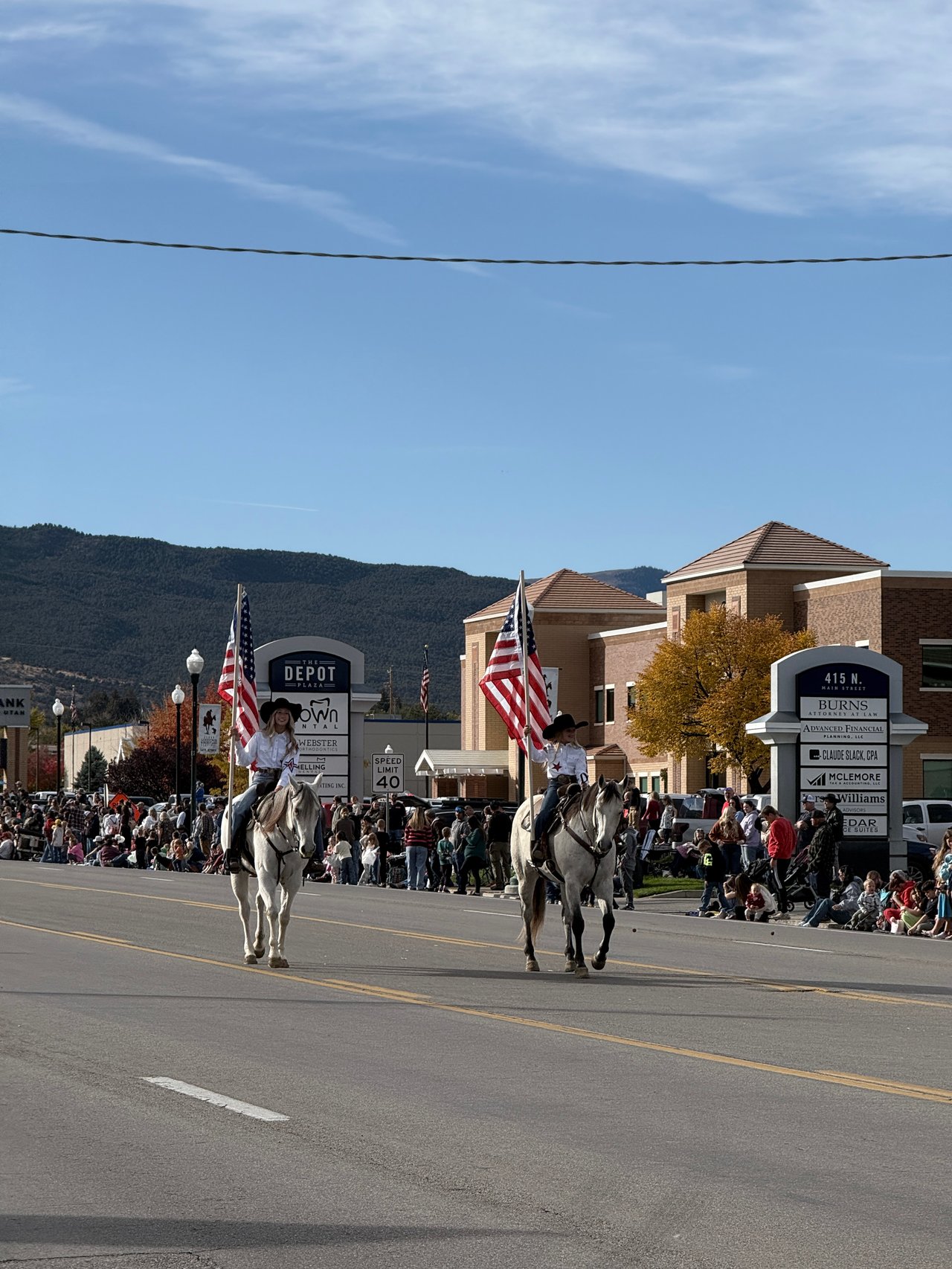
Experience one of Cedar City, Utah’s favorite fall traditions October 23–25, 2026, featuring the famous Sheep Parade, ranch rodeo, cowboy heritage, local vendors and f… Read more
Buying or selling a home is one of life’s most meaningful decisions, and having a trusted team by your side makes all the difference. With over 30 years of combined experience and deep ties to the Cedar City community, The Christensen Team offers thoughtful guidance and a highly personalized approach to every transaction. From strategy and negotiations to closing day, we ensure a smooth, seamless experience built on expertise, dedication, and proven results.
Donna Christensen
Tayler Christensen
Camry Miller
259 W 200 N Cedar City UT 84720