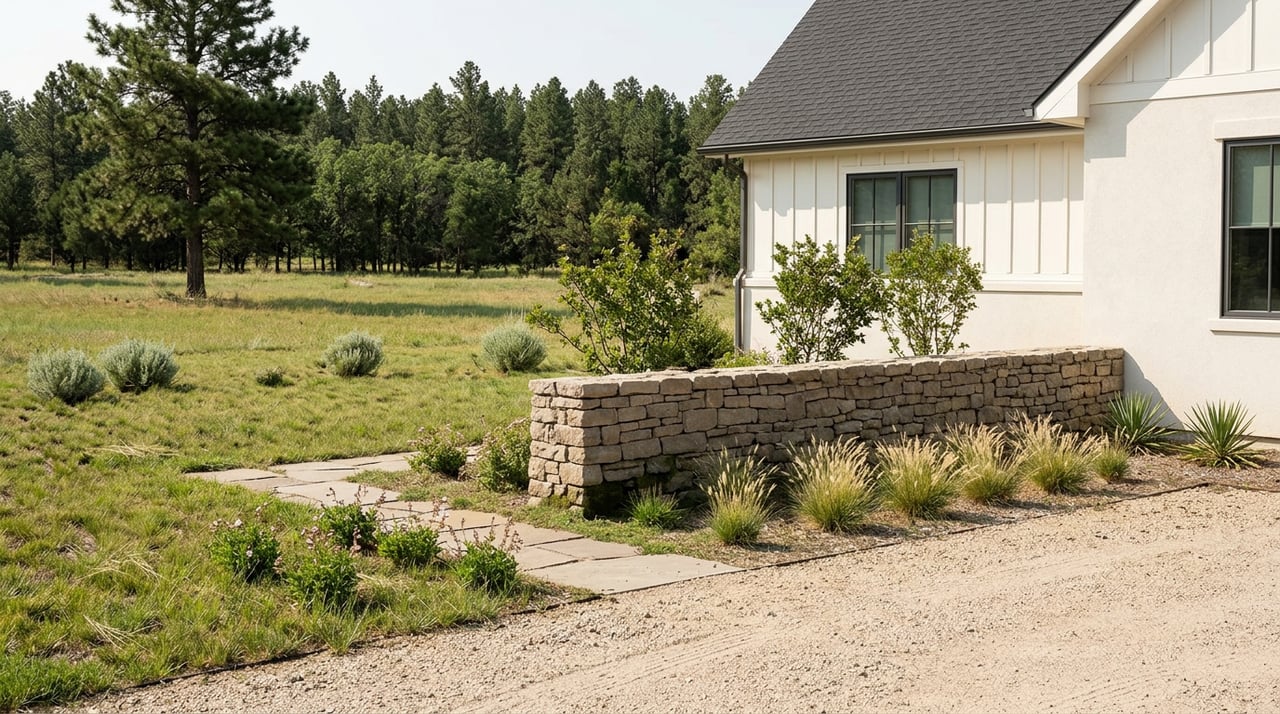
Cedar City's Horse Property Neighborhoods Are Not the Same Product
Earlier this year, our team listed a three-quarter-acre lot in 4B Ranch's Phase 5, priced at $165,000. No house, no barn, just a piece of ground.
That distinction is the story. Buyers touring Cedar City's horse-friendly subdivisions often assume that the horse-keeping setup is the same across every lot in a community. The infrastructure available to horse owners differs depending on which subdivision you're standing in. Understanding those differences helps buyers know what infrastructure comes with the particular parcel they are considering.
Take Equestrian Pointe, on the city's northwest side. It's one of Cedar City's most established horse-property communities, built out starting in the early 2000s with newer construction still going into a section called The Pointe. The community keeps a maintained stable, four rentable corrals, and a riding arena, and a bridle path runs through it that certain lots border directly. That's real infrastructure, not a name chosen for marketing appeal.
A quarter-acre parcel near the newer construction and a five-acre horse property on the older end of the community are platted differently. A buyer drawn to the community's horse-friendly reputation should confirm the details of the specific lot.
4B Ranch works on a different model entirely. Lots there run from roughly half an acre up to an acre and a half. There's no shared stable, no community arena, no pavilion. If you want a barn, you build it. If you want pasture, you fence it yourself. The setup has fewer shared amenities to lean on.
The clearest way to see the split is side by side.
| Neighborhood | Typical Lot Size | Covenants | Shared Equestrian Infrastructure | What You're Actually Buying |
|---|---|---|---|---|
| 4B Ranch | Roughly 0.5 to 1.5 acres | No HOA | None shared, you build your own | Private land and views of Cedar Mountain |
| Equestrian Pointe | Quarter acre to 5 acres | CC&Rs enforced, mandatory perimeter fencing | Community stable, four rentable corrals, riding arena, bridle path, roughly 17-acre park | Shared facilities and a consistent streetscape |
| Bridle Path | Roughly 1 acre | No HOA | None shared | Acreage and freedom on the northwest bench, similar to 4B Ranch's private-land approach |
| Cross Hollow Hills | 2 to 5 acres | Rural, custom-build focus | None described | Larger acreage further from the city core, mostly custom builds in the premium acreage tier |
Four subdivisions, four different answers to the same question: are you budgeting for your own equestrian facilities, or choosing a community with shared amenities and neighborhood rules?
Equestrian Pointe's plat requires every home to carry a white vinyl fence around the property perimeter, with fencing across the front left optional. That single rule tells you almost everything about the trade-off you're making there. The community isn't asking you to build a stable because it already has one. It isn't asking you to fence in isolation because the perimeter requirement keeps the whole streetscape looking consistent, which in turn protects resale value across every lot, not just yours. You give up some control over your own fence line in exchange for a shared arena, shared corrals, and a park with a ball field, pickleball courts, and a pavilion you didn't have to build or maintain yourself.
4B Ranch and Bridle Path skip that trade entirely. No covenant tells you how to fence your property because there's no HOA to enforce one. That's real freedom, and it's part of why these lots appeal to buyers who want to design a horse setup exactly their own way. It also means every barn, arena, and fence line on your 0.75-acre or one-acre parcel comes out of your own budget, not a shared amenity fund.
Cedar City's citywide market, as of data through June 2026, shows a median sale price around $382,450, a median of 27 days on market, and a sale-to-list ratio near 99.6 percent. Those numbers describe the typical single-family home in Cedar City. They tell you almost nothing about what a lot inside 4B Ranch or a five-acre parcel in Equestrian Pointe will cost, because land carrying animal rights and shared or private equestrian infrastructure doesn't move with the same drivers as a standard subdivision home.
Our 0.75-acre 4B Ranch lot was listed in April 2026 for $165,000. It wasn't competing against three-bedroom production homes off Highway 56. It was competing against a small pool of other animal-rights parcels with views of Cedar Mountain, where the land itself, not square footage, sets the number. Finished homes inside 4B Ranch have recently averaged close to $944,900, while Equestrian Pointe this year has included both newer three-bedroom construction in The Pointe section and executive-style homes on multi-acre parcels priced above $900,000, all inside the same plat. Same subdivision, same "horse property" label, and a price spread that tracks lot size and shared infrastructure more than it tracks the house itself.
A few things worth confirming before you write an offer on any horse-designated parcel in Cedar City:
Does every lot in a Cedar City horse neighborhood have the same setup? No. Amenities and lot features differ among communities and parcels, so confirm the details for the specific property.
Which is better for someone new to keeping horses, 4B Ranch or Equestrian Pointe? It depends on how much you want to build yourself. Equestrian Pointe's shared stable, corrals, and arena lower the upfront cost of getting started. 4B Ranch and Bridle Path give you full control over your setup, but every facility comes out of your own budget.
Are there HOA fees in these neighborhoods? Equestrian Pointe enforces CC&Rs, including the perimeter fencing requirement. 4B Ranch and Bridle Path both operate without an HOA. Confirm covenant status directly for any specific Cross Hollow Hills parcel, since that detail varies by lot.
What did our 4B Ranch lot list for? Our 0.75-acre 4B Ranch lot was listed in April 2026 for $165,000, with no structure on it.
Sorting out which Cedar City subdivision actually matches your plans for land, horses, or a custom build takes more than a listing sheet. If you're weighing 4B Ranch against Equestrian Pointe, Bridle Path, or Cross Hollow Hills, The Christensen Team can walk the specific plat and covenants for any lot you're considering. Start Your Journey.
This article is general information, not legal, tax or financial advice. Consult a qualified professional about your situation.
Cedar City
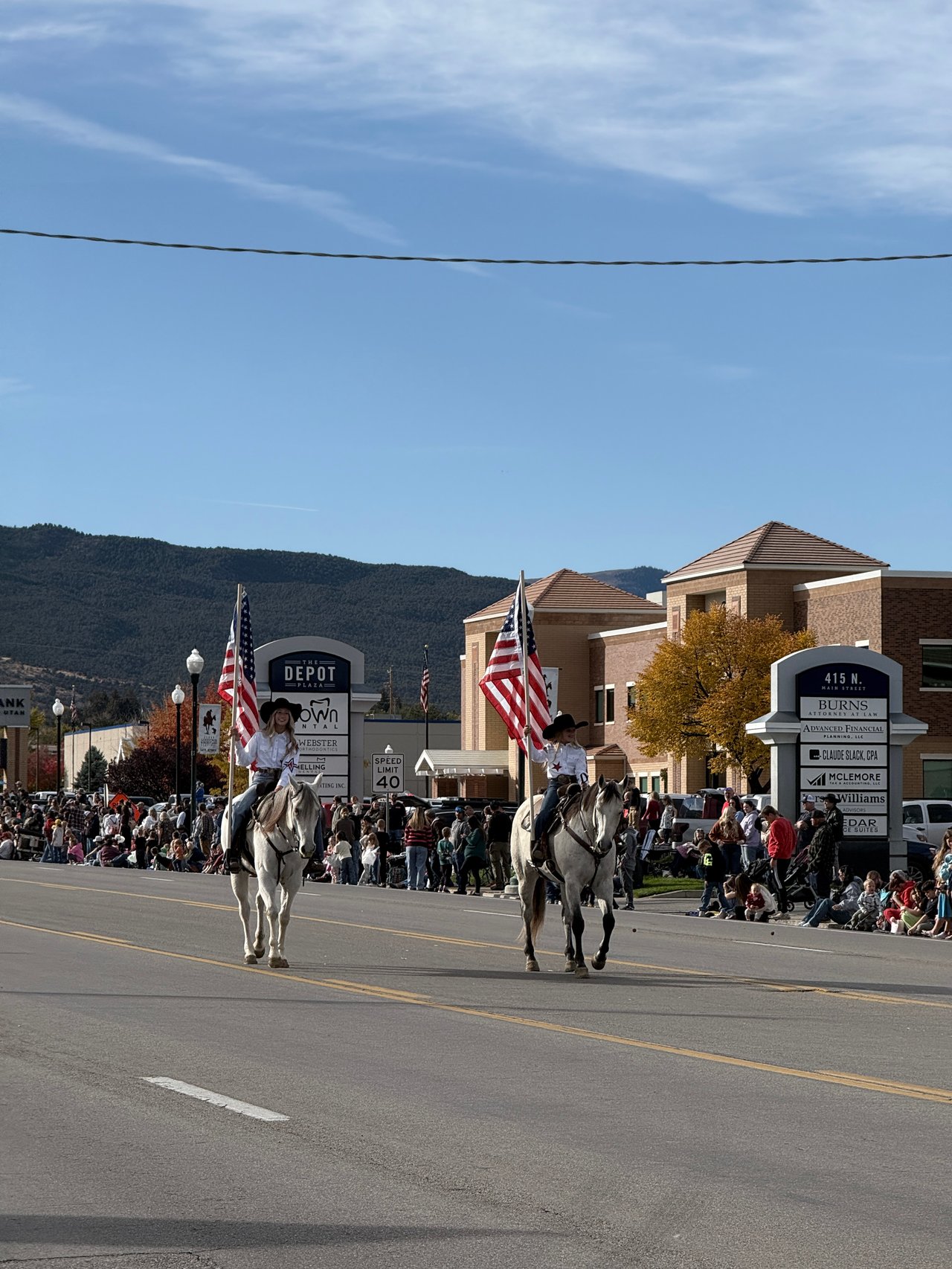
Experience one of Cedar City, Utah’s favorite fall traditions October 23–25, 2026, featuring the famous Sheep Parade, ranch rodeo, cowboy heritage, local vendors and f… Read more
Buying or selling a home is one of life’s most meaningful decisions, and having a trusted team by your side makes all the difference. With over 30 years of combined experience and deep ties to the Cedar City community, The Christensen Team offers thoughtful guidance and a highly personalized approach to every transaction. From strategy and negotiations to closing day, we ensure a smooth, seamless experience built on expertise, dedication, and proven results.
Donna Christensen
Tayler Christensen
Camry Miller
259 W 200 N Cedar City UT 84720