How To Evaluate Building Lots In Cedar City
Buying a building lot in Cedar City can feel exciting until you realize that two lots with similar prices can lead to very different building costs, timelines, and options. If you want to build a home that fits your goals, your budget, and the way you want to live, it helps to look past the listing photos and ask better questions up front. This guide walks you through the key factors to evaluate before you buy, so you can spot hidden constraints early and move forward with more confidence. Let’s dive in.
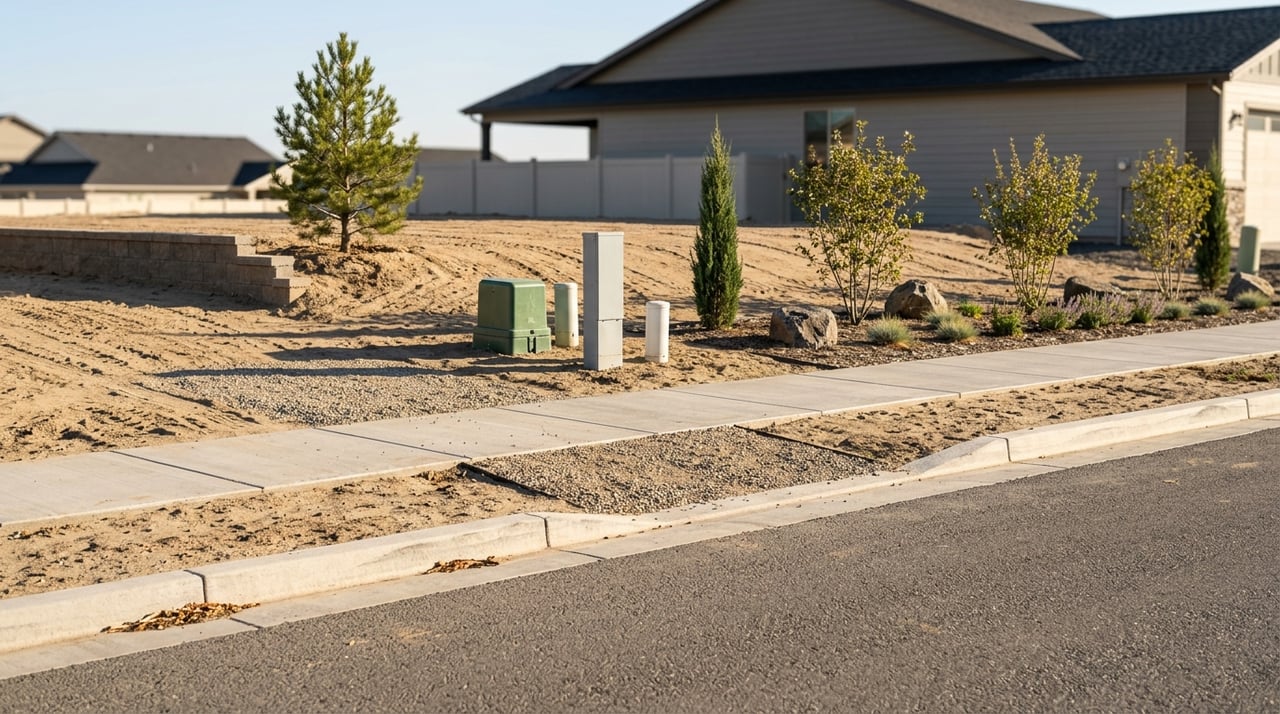
A lot should be measured by how well it supports the home you want to build, not just by its size or view. In Cedar City, that means looking closely at slope, shape, drainage, and how the parcel sits on the street.
The way a lot is oriented can affect daylight, shade, comfort, and future solar potential. It can also influence where your garage, backyard, and main living spaces make the most sense. A lot that looks great at first glance may be harder to design around once you map out the actual home footprint.
Topography matters more than many buyers expect. Cedar City’s subdivision checklist calls for contour information, geological hazard review, soils area designations, and wildland urban interface identification where applicable.
That is a strong sign that you should not assume every lot is simple to build on. A sloped lot may require more site work, drainage planning, retaining walls, or a different home design than you first imagined.
A lot can sound generous on paper and still feel tight once real building requirements are added. Setbacks, driveway placement, garage depth, side yards, and any accessory structures all reduce the usable building area.
Cedar City’s residential permit packet requires a site plan showing setbacks, the property address or lot and subdivision, a directional arrow, and the street name. In practical terms, that means you want to picture the buildable area, not just the parcel boundary.
Views are a major draw for many Cedar City buyers, but a great view today is only part of the story. You also want to understand the zoning around the lot, nearby subdivision patterns, airport overlays, and planned infrastructure that could affect the surroundings later.
Cedar City’s maps include zoning, flood zones, airport restrictions, water lines, sewer lines, and WUI data. Reviewing those layers can help you understand whether the lot has long-term potential or hidden limitations.
Zoning plays a big role in what you can actually build. In Cedar City, residential zones can change minimum lot size, lot width, setbacks, and the types of homes allowed.
For example, the R-1 zone is intended for larger lots of at least 10,000 square feet and generally includes lots averaging 90 to 100 feet in width. It also sets a minimum 25-foot front yard, 8-foot side yard, and 30-foot rear yard for the main building. Those standards can significantly shape what fits on a parcel.
R-2 allows smaller lots for single-family detached homes and also allows twin homes and duplexes under different standards. R-3 is the denser residential zone.
These differences matter if you want a single-level home, a larger garage, extra outdoor space, or room for an accessory structure. Before you fall in love with a lot, make sure its zoning lines up with the home plan you have in mind.
Some lots have added rules beyond base zoning. In Cedar City, the airport overlay is especially important for parcels near the Cedar City Regional Airport.
The city’s airport overlay ordinance says airport-compatible land use and height restriction boundaries come from official maps. If boundaries are uncertain, the parcel is treated as being in the most restrictive zone. The airport rules also include development standards for setbacks, height restrictions, and site plan review, and Cedar City’s permit forms include an avigation easement form.
Lots near open land or the edge of town may also be affected by wildland urban interface requirements. Cedar City adopted Utah’s WUI code and maintains a WUI zone map, so buyers should verify whether wildfire-related building or site constraints apply.
Flood zones, sewer lines, water lines, irrigation maps, and soil susceptibility layers are also available through the city’s map set. These details can affect both cost and design, so they are worth reviewing before you write an offer.
Utilities are one of the biggest places where lot buyers can get surprised. A lower-priced lot may not stay lower-priced if utility access is limited or if connection steps are more involved than expected.
In Cedar City, this is especially important because the city states that its water supply is limited and relies on watersheds and aquifers rather than nearby reservoirs. The city’s water rate structure is designed to encourage conservation, which can affect long-term ownership costs.
Water is not something to treat as a later detail. Cedar City also has a mandatory irrigation restriction from April 1 through October 31, and culinary water may not be used to irrigate lawns between 8 a.m. and 6 p.m.
That makes yard size, landscaping style, and irrigation expectations part of the lot decision. If you are picturing a large turf yard or water-heavy outdoor plan, be sure you understand what that could mean over time.
Cedar City’s water-acquisition ordinance says the city has limited water rights and requires new development to help acquire water rights. For residential property, water rights are generally handled at the subdivision stage, but if a residential parcel has already been subdivided, the issue can shift to the building permit stage.
The city’s subdivision checklist also calls for water-rights documentation and references conservation-rate agreements and CC&Rs as part of compliance. That means you should verify how water has been addressed for the specific lot you are considering.
Utah building code says buildings with plumbing must connect to public water when available and to public sewer when accessible within 300 feet of the property line. If those connections are not available, an approved private water source or private sewage system would be used.
You should also confirm where service connection points are located and whether the lot already has stubs, meters, or approvals in place. Gas and electric service can involve separate steps too. Cedar City’s requirements note that gas work may require a meter or mechanical permit, pressure test, and gas-clearance inspection, while electric service requires a building permit, Rocky Mountain Power work-order numbers, and separate steps for temporary and permanent power.
A lot’s frontage and surrounding improvements can affect both budget and convenience. Cedar City’s subdivision checklist asks for existing streets, curb, gutter, sidewalk, sewer, water, hydrants, storm drainage, proposed easements, and irrigation infrastructure.
That tells you an important truth about lot buying in Cedar City: the purchase price is only one part of the cost picture. If infrastructure is incomplete or farther away than expected, your total project cost may change quickly.
If the lot is in a newer subdivision, there is a good chance recorded CC&Rs or HOA rules will apply. These documents can affect what you can build, how the property must be maintained, and what monthly or annual costs you may carry.
Utah’s HOA homebuyer checklist says governing documents can include CC&Rs, bylaws, rules, and articles of incorporation. It also encourages buyers to review fee schedules, budgets, reserves, and other documents before closing.
Some rules may affect exterior materials, parking, fencing, landscaping, outbuildings, or other design choices. Cedar City’s subdivision checklist also notes that CC&Rs may assign maintenance responsibilities and budgets for private common areas.
That means you should understand not only the rules, but also what the HOA covers and what you will be responsible for maintaining or paying for yourself. A lot that seems affordable at first can come with added costs or limitations.
HOA health can matter beyond day-to-day ownership. Utah’s buyer checklist notes that the type and condition of an HOA can affect financing options.
This can also shape resale later. If you plan to build and stay long term, or eventually sell, it helps to know whether the subdivision rules and HOA structure support your goals.
If you want to compare lots clearly, use the same checklist for each one. A strong lot decision usually comes down to a handful of practical questions.
Here are some of the most important ones to answer before you move forward:
In Cedar City, the best building lot is often not the cheapest or the one with the biggest immediate wow factor. It is usually the lot with the fewest hidden constraints and the clearest path from purchase to construction.
When you evaluate zoning, overlays, utilities, water, topography, and recorded documents before you buy, you give yourself a better chance of staying on budget and building the home you actually want. If you are comparing lots in Cedar City or anywhere in Iron County, having local guidance can make the process much easier to navigate. When you are ready to talk through your options, connect with Tayler Christensen for practical, local insight on land, building lots, and new construction.

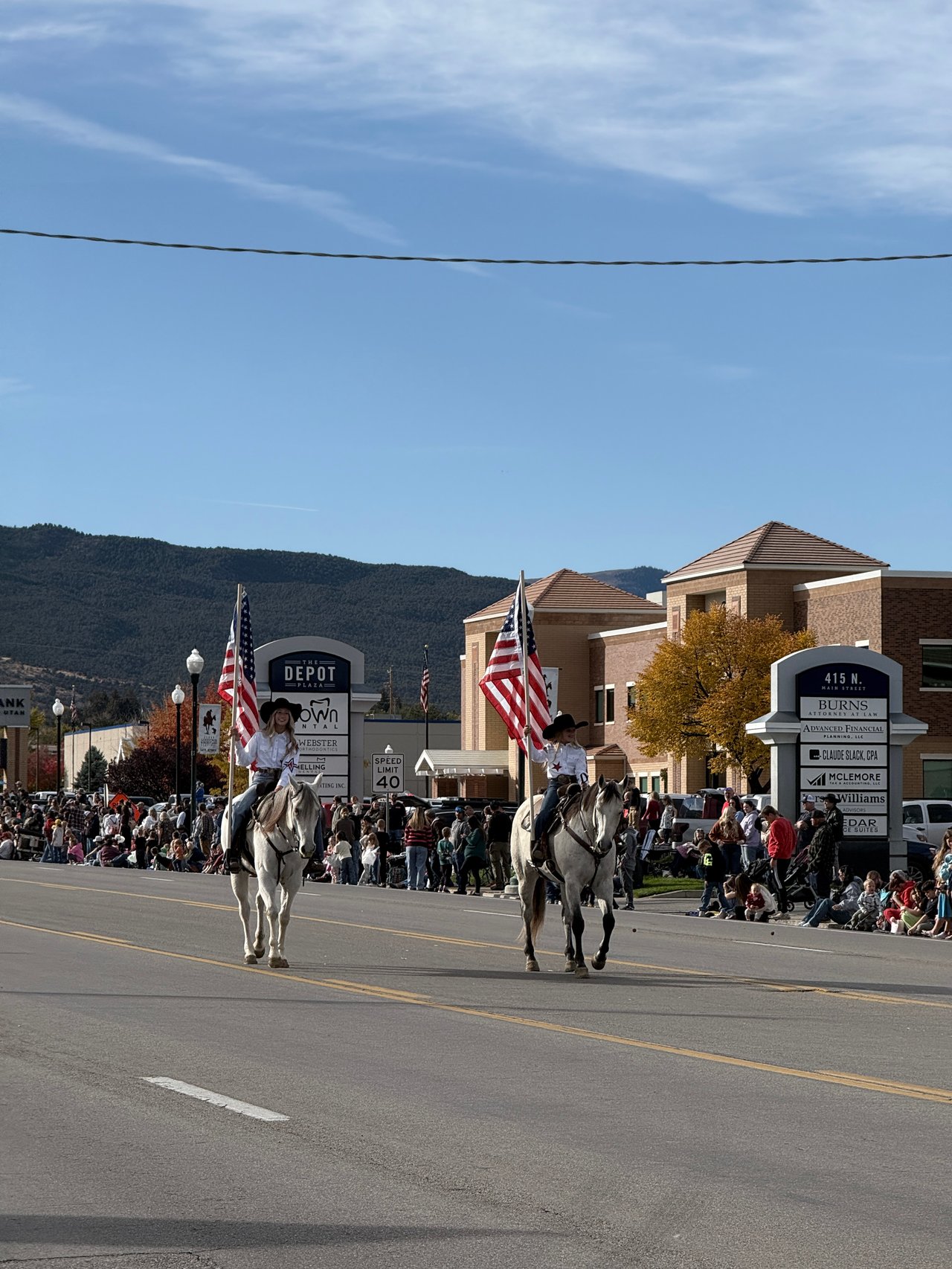
Cedar City
Experience one of Cedar City, Utah’s favorite fall traditions October 23–25, 2026, featuring the famous Sheep Parade, ranch rodeo, cowboy heritage, local vendors and f… Read more
Buying or selling a home is one of life’s most meaningful decisions, and having a trusted team by your side makes all the difference. With over 30 years of combined experience and deep ties to the Cedar City community, The Christensen Team offers thoughtful guidance and a highly personalized approach to every transaction. From strategy and negotiations to closing day, we ensure a smooth, seamless experience built on expertise, dedication, and proven results.

Donna Christensen
Tayler Christensen
Camry Miller
259 W 200 N Cedar City UT 84720