Cedar City Housing Market In Context With Southern Utah
If you are trying to make sense of the Cedar City housing market, looking at Cedar City alone only tells part of the story. Buyers and sellers often compare Cedar City with nearby Southern Utah markets like Enoch, Parowan, Brian Head, Hurricane, Washington, and St. George before making a move. When you see Cedar City in that bigger regional picture, it becomes much easier to understand pricing, inventory, and where your options may fit best. Let’s dive in.
Cedar City’s latest Zillow market snapshot shows a typical home value of $403,487 as of March 31, 2026. The same data shows 309 homes for sale, 87 new listings, a median list price of $414,000, a median sale price of $399,500, a median sale-to-list ratio of 0.989, and homes going pending in about 34 days, according to Zillow’s Cedar City market page.
That combination suggests a market with meaningful choice, but not one where pricing can be ignored. If you are buying, you have enough inventory to compare options. If you are selling, well-prepared and well-priced homes can still attract attention.
One of Cedar City’s biggest strengths is variety. Zillow’s active search pages show about 231 single-family homes, 96 townhomes, and 170 land and lot listings for sale in Cedar City, based on current Cedar City housing inventory.
That matters because Cedar City is not just a detached-home market. You can often compare a townhome, a single-family home, and a lot to build on within the same market, which gives you more flexibility depending on your budget, timeline, and goals.
When you place Cedar City next to nearby Southern Utah markets, it lands in a middle price range rather than at either end. Based on current Zillow snapshots, nearby markets show a different spread in both value and inventory.
As shown across Zillow’s Southern Utah market pages, Cedar City sits between smaller Iron County alternatives and the larger, generally higher-priced Washington County markets such as Saint George and its surrounding areas.
Cedar City often works as a practical balance point. It is not the least expensive option in the region, and it is not the premium niche market either. Instead, it tends to offer a blend of price accessibility, inventory variety, and everyday usability.
That balance can be important if you want options without jumping into some of the higher price points found in Washington, Hurricane, or St. George. It can also be appealing if you want more housing variety than what you may find in smaller nearby markets with thinner inventory.
Looking around Southern Utah, each market has a different feel from a housing perspective. That does not mean one is better than another. It means your best fit depends on your goals, budget, and property type needs.
Brian Head stands out as a more specialized market. Zillow shows 70 condo listings there, which supports its more condo-heavy, resort-style ownership profile rather than a broad traditional housing mix, according to Brian Head condo listings.
If you are comparing Cedar City to Brian Head, you are usually comparing two different ownership experiences. Cedar City offers a broader everyday housing mix, while Brian Head is more focused on low-maintenance and resort-oriented options.
Parowan and Enoch can appeal to buyers who want smaller markets, but the active inventory pool is more limited. Enoch shows 56 single-family listings and 30 land listings, while Parowan shows 33 land listings, based on Zillow market searches referenced in the research.
Because supply is thinner in those markets, individual listings can matter more. If you are focused on lots, newer subdivisions, or comparing a less urban setting to Cedar City, these nearby options may also enter the conversation.
At the larger end of the regional comparison, St. George, Washington, and Hurricane offer much more inventory than Cedar City. They also come with generally higher typical home values.
For buyers, that can mean more selection, but often at a higher price point. For sellers, it reinforces why Cedar City can stand out as a market that feels more balanced between availability and affordability relative to the broader Southern Utah region.
Regional MLS data from the Utah Association of REALTORS helps add context beyond individual city snapshots. In the 12-month period ending January 2026, the report shows inventory up 9.4%, the single-family segment leading price gains, the 4-bedroom-or-more segment leading bedroom-count demand, and the $250,000 to $499,999 price band selling fastest at about 60 days, according to the Housing Supply Overview report.
That is especially relevant for Cedar City because it lines up with a large share of the market. It supports the idea that Cedar City is not mainly an ultra-luxury story. Instead, much of the action is in the middle of the market, especially for single-family homes and move-up buyers.
In Cedar City, your experience can look very different depending on what you want to buy or sell. Detached homes, townhomes, and land all play a meaningful role here.
Current Zillow examples in Cedar City show detached homes running from the mid-$300,000s to the $500,000s and above, while townhome examples range from under $200,000 into the mid-$300,000s. That wide spread means your decision may be less about one headline price and more about which property type best supports your plans.
If you are trying to enter the market or keep maintenance lower, townhomes can create an accessible path. In Cedar City, they also add an attached-housing option that is not always as visible in smaller surrounding markets, as seen in current Cedar City townhome listings.
That can make Cedar City useful for buyers who want to compare affordability, ownership costs, and layout options without leaving the area.
If you need more space, a yard, or a different layout, Cedar City’s single-family inventory gives you more room to compare features and pricing. Regional data also suggests the single-family segment has been leading price gains, which makes this category especially important for both buyers and sellers.
For sellers in this segment, preparation and pricing still matter. The current market data shows demand is there, but buyers still have enough options to compare closely.
Land is a real part of Cedar City’s market story. With a visible lot inventory, Cedar City can also serve buyers who want to build rather than buy an existing home.
If you are considering land, the conversation often goes beyond price. Utility access, build feasibility, and the path from lot purchase to construction become central parts of the decision.
If you are buying in Southern Utah, Cedar City can be a smart market to start with because it shows you several paths at once. You can compare townhomes, detached homes, and land in one place while also measuring Cedar City against nearby alternatives.
In practical terms, Cedar City offers more breathing room than some of the region’s higher-priced markets while still giving you a wide enough selection to make side-by-side comparisons. If you want the broadest inventory in Southern Utah, you may still look toward Washington County. If you want a balanced market with flexibility, Cedar City deserves a close look.
If you are selling in Cedar City, the current numbers point to a market where strategy matters. With median list and sale prices relatively close together and a sale-to-list ratio near 1.0, pricing realistically is still important.
The broader regional trends also suggest that the strongest activity remains in the mid-price bands and in single-family homes. If you own a well-kept detached home or a competitively priced townhome, you are likely aligned with current buyer demand patterns. If you are selling land, buyers will usually focus heavily on feasibility and future build potential along with the asking price.
Market data is useful, but the real value comes from knowing how to apply it to your situation. Two homes with similar prices can compete very differently based on condition, property type, location within the market, and the number of alternatives available that week.
That is why comparing Cedar City to Southern Utah as a whole can be so helpful. It gives you a better sense of whether you are looking at a broad-use market, a specialized market, a premium niche, or a smaller-supply alternative.
Whether you are buying your next home, selling a property, or weighing land versus an existing home, local guidance can help you sort through those tradeoffs with more confidence. If you want help understanding how Cedar City fits your goals in the wider Southern Utah market, connect with Tayler Christensen for clear, local guidance and responsive support.
Cedar City
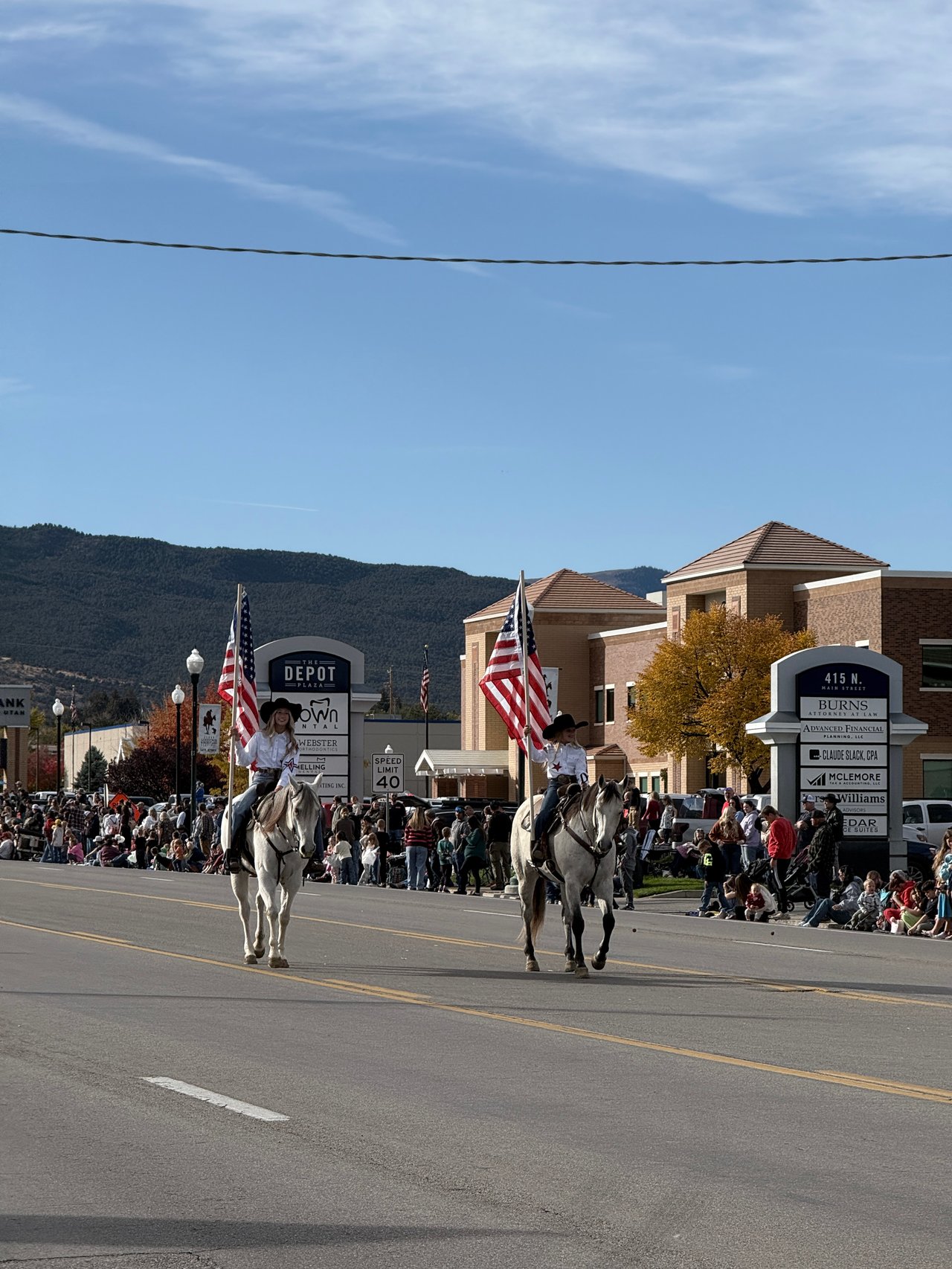
Experience one of Cedar City, Utah’s favorite fall traditions October 23–25, 2026, featuring the famous Sheep Parade, ranch rodeo, cowboy heritage, local vendors and f… Read more
Buying or selling a home is one of life’s most meaningful decisions, and having a trusted team by your side makes all the difference. With over 30 years of combined experience and deep ties to the Cedar City community, The Christensen Team offers thoughtful guidance and a highly personalized approach to every transaction. From strategy and negotiations to closing day, we ensure a smooth, seamless experience built on expertise, dedication, and proven results.
Donna Christensen
Tayler Christensen
Camry Miller
259 W 200 N Cedar City UT 84720