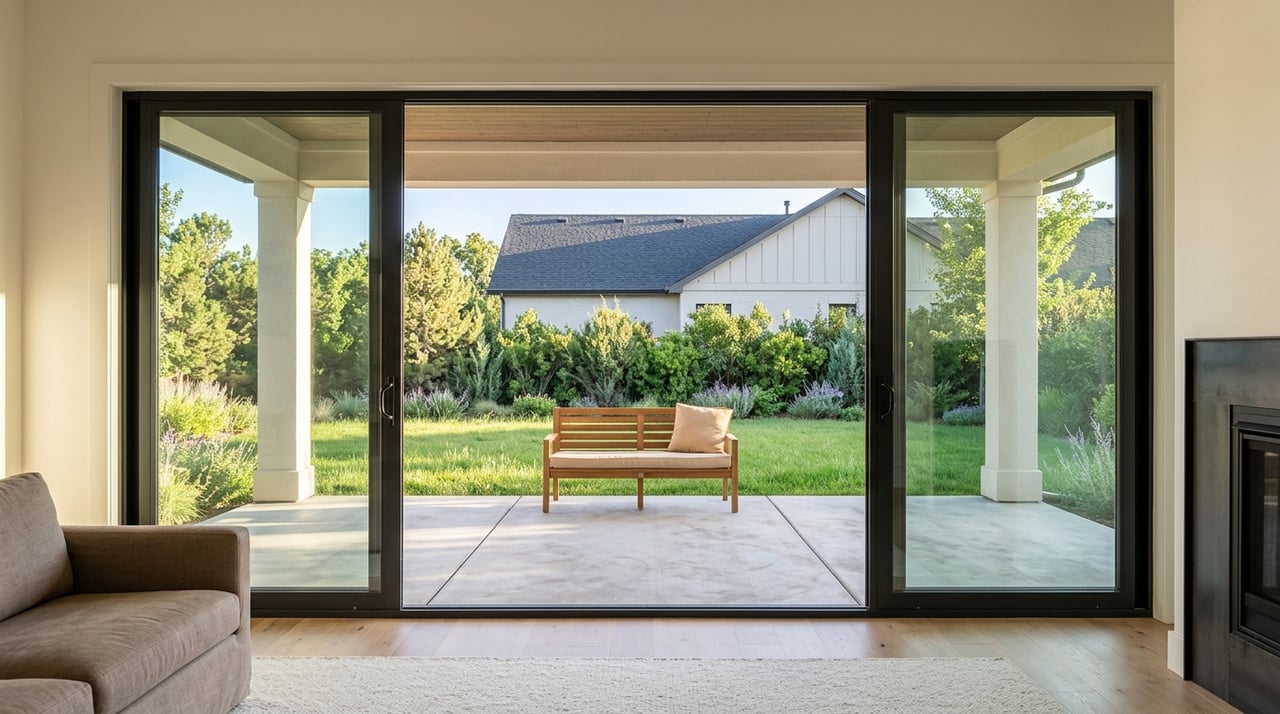
Life In Enoch, Utah: Space, Quiet, And Community
If you are looking for a place where your home can feel a little more open and your daily pace can feel a little calmer, Enoch may be worth a closer look. This small Southern Utah city offers a quieter, lower-density setting while still staying connected to Cedar City and the wider Iron County area. Whether you are planning a move, comparing communities, or thinking about buying land, understanding what life in Enoch is really like can help you decide if it fits your goals. Let’s dive in.
Enoch is a small city by population, but it does not feel tightly packed. The U.S. Census Bureau estimates 8,664 residents as of July 1, 2024, spread across 7.84 square miles of land area, with 940.2 people per square mile and 2,280 households. It also reports an 87.7% owner-occupied housing rate, which helps explain why many people see Enoch as a place where homeowners tend to put down roots.
The city’s long-term vision also reinforces that impression. In the Enoch City General Plan, city leaders say they want to preserve Enoch’s rural, small-town character while still allowing for growth, housing options, and access to employment opportunities. In practical terms, that means Enoch is planning for change without losing the open, residential feel that draws many buyers in the first place.
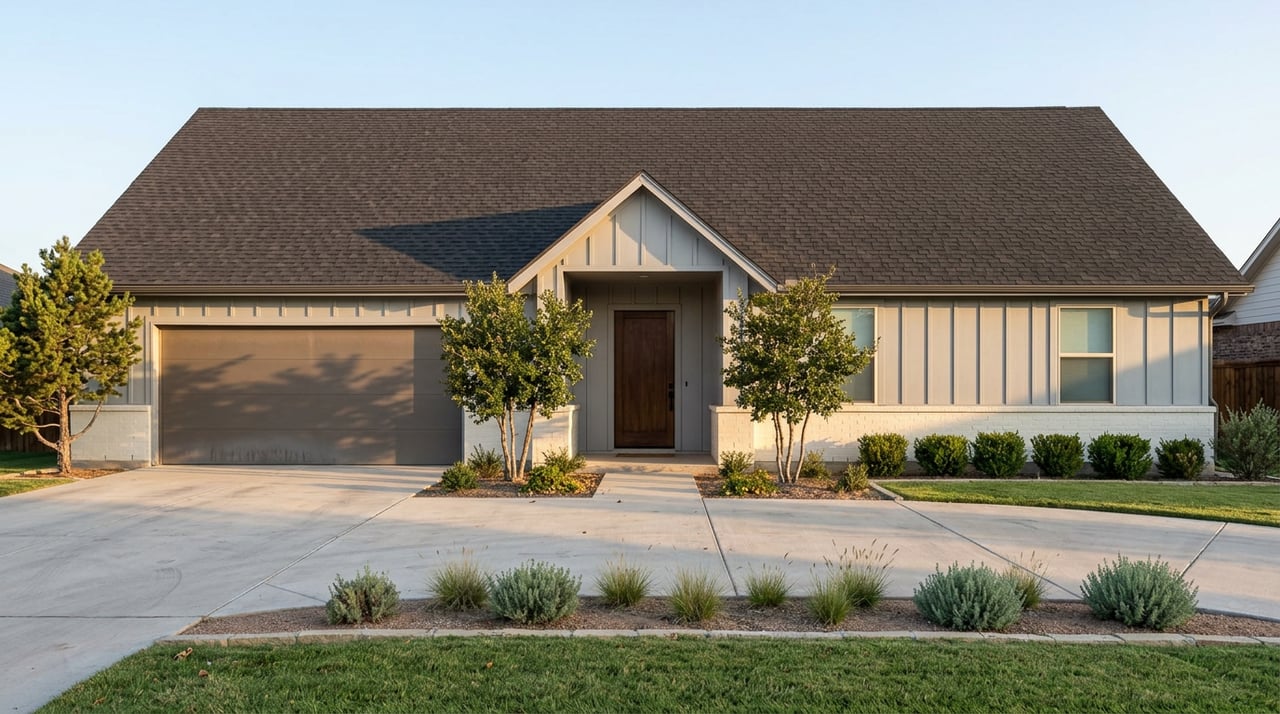
One of the clearest themes in Enoch is space. The city’s planning documents lean heavily toward low-density residential living, which supports a more spread-out pattern of homes and neighborhoods.
According to the general plan, low-density residential is planned at up to two dwelling units per gross acre. Medium-density residential is described as three to four dwelling units per gross acre, mostly with single-family detached homes and some twin homes and townhouses. High-density residential, at six to sixteen dwelling units per gross acre, includes attached housing, apartment buildings, manufactured home parks, and planned unit developments.
That mix matters if you are trying to picture your options. Enoch is not built around a compact urban center. Instead, it reads more like a space-first community where larger lots, quieter streets, and lower-density housing patterns shape the overall lifestyle.
If you are house hunting in Enoch, you may notice that lot size and zoning can vary quite a bit. The city’s moderate-income housing plan lists residential zoning and lot sizes that range from 5 acres to 80,000 square feet, 40,000 square feet, 18,000 square feet, and 11,000 square feet across several districts.
That helps explain why Enoch can appeal to different kinds of buyers. Some people are drawn to room for outbuildings, animals, or a more rural setup. Others may be looking for a manageable single-family lot in a neighborhood setting. City planning documents also point to accessory dwellings or guest houses, equestrian and farm-oriented properties, manufactured home options, and senior-oriented housing as part of the local housing mix.
There is also some room for smaller-lot development in selected projects. The general plan includes a policy that calls for quarter-acre lot densities in a planned unit development to support moderate- and low-income housing. So while the broader pattern remains low density, buyers may see some newer projects that offer a different lot size or housing format than Enoch’s more traditional large-lot pattern.
For a smaller city, Enoch has a meaningful lineup of community spaces. The city’s Parks & Recreation page lists Old Enoch Heritage Park/Ball Field, Boebert Park, Garden Park, Iron Mountain Park, Jones Memorial Park, Spanish Trails Park, Cottonwood Park, and the Recreation Complex.
The Recreation Complex is described by the city as a gathering place for family fun, physical exercise, organized sports, volunteerism, and community involvement. That says a lot about the rhythm of the community. In Enoch, recreation is not just about open space. It is also part of how neighbors connect and how local events come together.
The city also makes space available for small gatherings and meetings through the council chambers and the second floor of the old school library building. That kind of local infrastructure may seem simple, but it supports the practical side of community life.
If you are looking for a place with a strong household-centered feel, Enoch’s demographics help tell that story. Census QuickFacts reports that 35.9% of residents are under 18 and that the average household size is 3.57 persons. Those figures line up with the city’s emphasis on parks, recreation, and larger residential lots.
This does not mean every household in Enoch looks the same. It does suggest, though, that many residents are living in a setting built around home life, outdoor space, and day-to-day routines that benefit from a little more room. For many buyers, that is a major part of Enoch’s appeal.
If you work from home, Enoch offers a few practical strengths. Census data shows that 97.8% of households have a computer and 90.2% have broadband internet. Those numbers suggest many households have the basic connectivity needed for remote work, online learning, and day-to-day digital tasks.
The local library system adds another useful layer. The city’s Iron County Bookmobile Library page says residents have access to a fixed-site library, mobile library, high-speed internet, interlibrary loan, and local programs. For households balancing work, study, and family schedules, that can be a meaningful amenity.
Life in Enoch is closely tied to Cedar City. The general plan says Enoch coordinates planning with Cedar City and Iron County, and it places Enoch about six miles north of Cedar City Airport. The same plan notes that Enoch does not currently have transit service.
That makes Enoch a car-based community in practical terms. Census data puts the mean travel time to work at 24.3 minutes, which supports the idea that many residents drive for work, services, and regional errands. If you are considering a move here, it helps to think of Enoch as a quieter residential setting with daily access to the broader Cedar City area rather than as a fully self-contained town center.
For many buyers, Enoch offers a mix that can be hard to find in more built-up areas. You may get more breathing room, a quieter setting, and a community identity that still values growth planning and access to nearby jobs. That can be appealing if you want a home that feels a little more grounded and a little less crowded.
Enoch may be especially worth exploring if you are looking for:
Enoch is not trying to be a dense, highly walkable urban hub. Its identity is built around open space, residential quiet, community amenities, and a strong connection to the Cedar City area. If that matches what you want in your next move, it can be a very appealing place to search.
The key is understanding how your goals line up with the city’s housing patterns, lot sizes, commute realities, and long-term planning. If you want help comparing neighborhoods, evaluating land or home options, or understanding what is available in Enoch right now, Tayler Christensen can help you navigate the market with local insight and practical guidance.
Cedar City
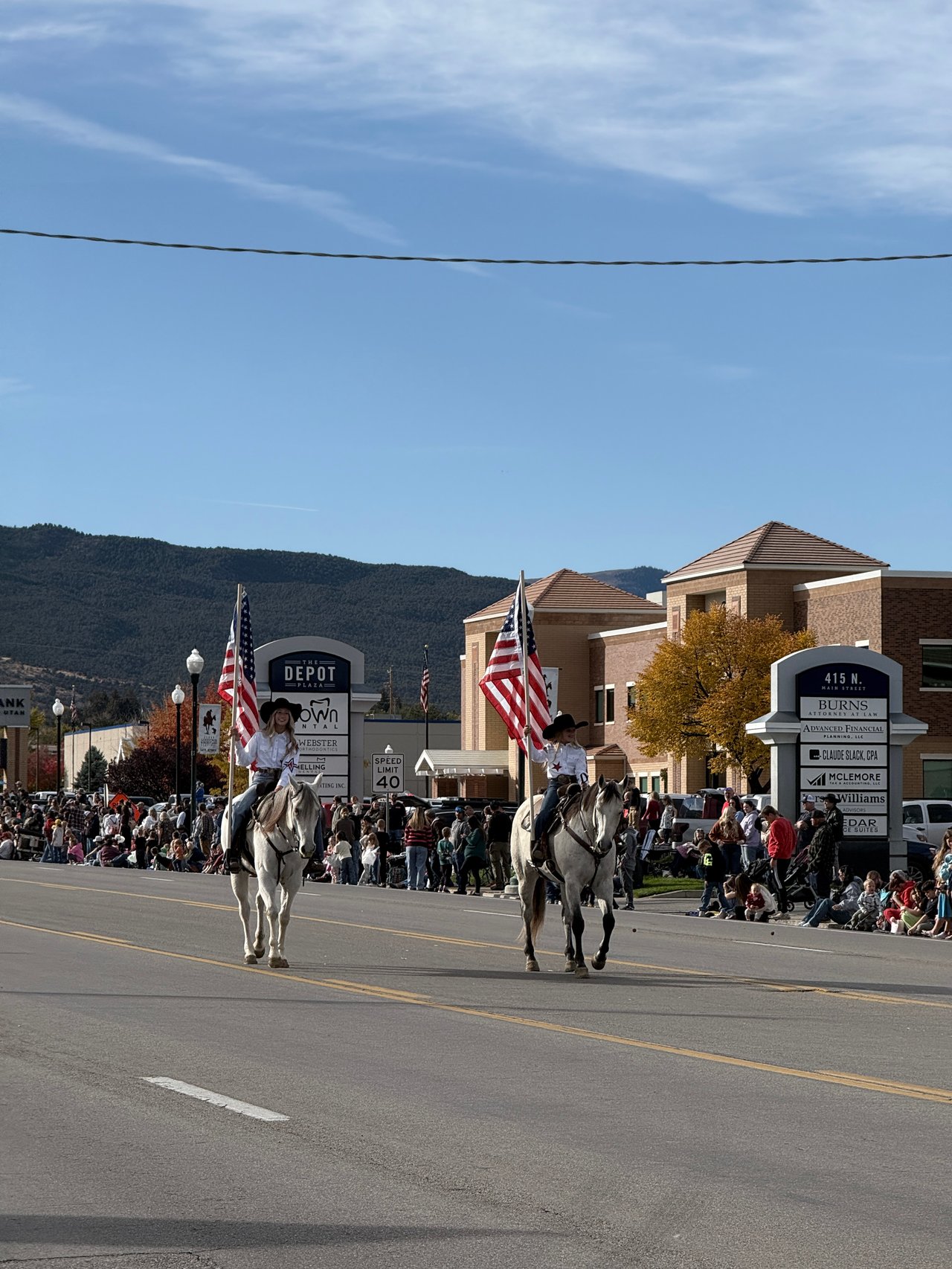
Experience one of Cedar City, Utah’s favorite fall traditions October 23–25, 2026, featuring the famous Sheep Parade, ranch rodeo, cowboy heritage, local vendors and f… Read more
Buying or selling a home is one of life’s most meaningful decisions, and having a trusted team by your side makes all the difference. With over 30 years of combined experience and deep ties to the Cedar City community, The Christensen Team offers thoughtful guidance and a highly personalized approach to every transaction. From strategy and negotiations to closing day, we ensure a smooth, seamless experience built on expertise, dedication, and proven results.
Donna Christensen
Tayler Christensen
Camry Miller
259 W 200 N Cedar City UT 84720