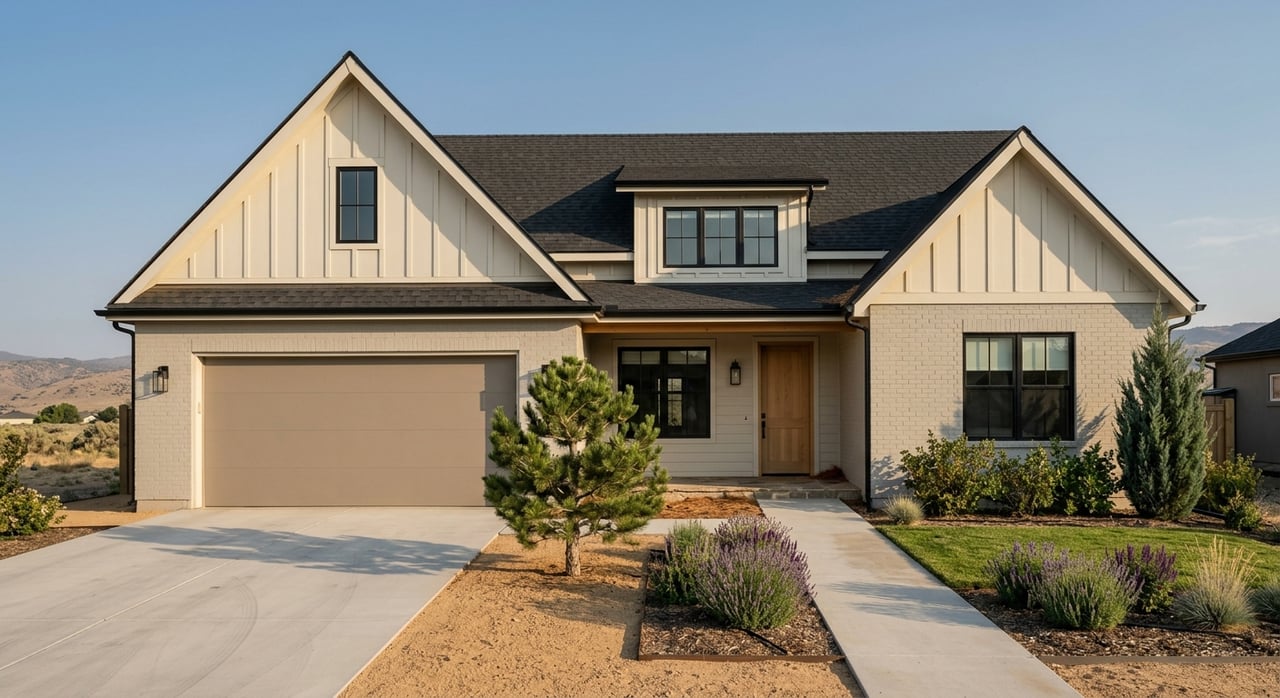
Living in Cedar City Utah: A Guide for New Residents
Thinking about a move to Cedar City? You are not alone. This Southern Utah city has been growing quickly, and for good reason: it offers a blend of small-city convenience, college-town energy, arts and culture, and easy access to the outdoors. If you want a practical picture of what daily life here looks like, this guide will walk you through housing, neighborhoods, commuting, recreation, and what to expect as a new resident. Let’s dive in.
Cedar City is the largest community in Iron County and continues to grow. The U.S. Census Bureau estimates the city had 40,885 residents in 2024, up from 35,235 in 2020, which reflects strong recent growth in the area. The same data shows a median age of 26.8, which helps explain why the city often feels active, youthful, and community-oriented.
Part of that energy comes from Southern Utah University. According to SUU enrollment reporting, the university had 15,825 students in fall 2025, with students coming from all 50 states and 87 countries. That university presence shapes everything from housing patterns to local events and the rhythm of the year.
At the same time, Cedar City is not just a college town. The city’s general plan highlights education, the arts, historic preservation, and walkable mixed-use neighborhoods as part of its identity. For you as a new resident, that means Cedar City offers a mix of established local character and ongoing growth.
Housing in Cedar City spans more than one type of buyer or lifestyle. According to Census QuickFacts, the median owner-occupied home value is $377,000, the median gross rent is $1,054, and 56.7% of housing units are owner-occupied. Those numbers place Cedar City in a middle range for Utah, which can be helpful if you are comparing it to larger or more expensive markets.
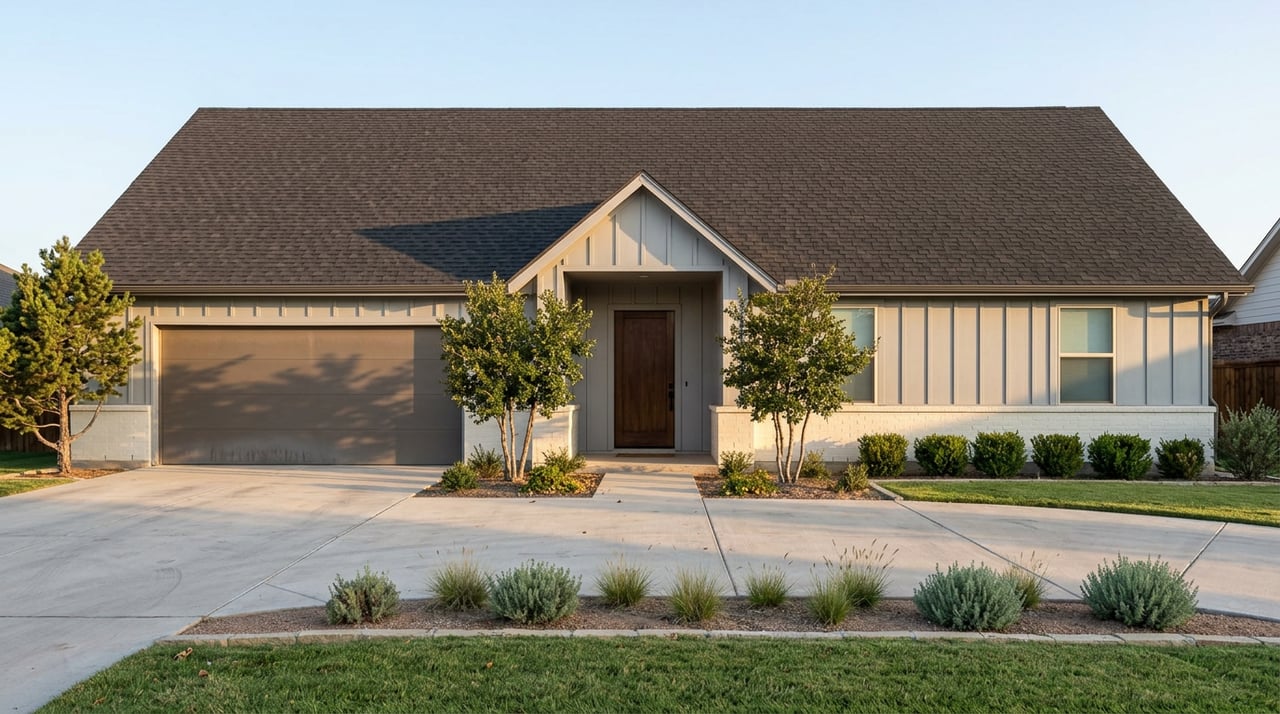
The city’s land-use plan allows for a broad mix of housing options. In lower-density areas, you will mostly find detached single-family homes. Medium-density areas may include duplexes along with single-family homes, while higher-density areas can include townhomes, condos, apartments, patio homes, and stacked flats.
If you are relocating, this variety matters. It means you can often choose between an older home closer to the center of town, a newer property in a growing edge area, or housing near campus and downtown with easier access to daily amenities. It also supports buyers looking at land, building lots, or new construction as the city expands.
Cedar City is easier to understand when you think about it in three broad categories: the historic core, the campus-adjacent central neighborhoods, and the newer growth areas around the edges.
The city defines the historic downtown area roughly from 300 North to 200 South around Main Street, including the Center Street festival area. In the city general plan, downtown is described as a pedestrian-friendly historic core, with ongoing goals for better links to campus, traffic calming, parking improvements, and additional housing activity near businesses.
For you, that usually translates into a more established feel. Central Cedar City tends to offer older homes, a more traditional street grid, and easier access to Main Street destinations, local events, and cultural venues. It can feel more walkable and mixed-use than the outer parts of town.
Neighborhoods near Southern Utah University have their own character. The city notes that the university area and older established neighborhoods are distinct from newer development zones. There is also pressure in these areas to convert older structures to more intensive uses as the city grows.
If you are considering living near campus, it helps to know that the area may have a mix of owner-occupied homes, rental housing, and student-oriented properties. That can be a plus if you want to be close to the university and arts venues, but it is different from the feel you may find in newer residential sections farther from the center.
Cedar City’s general plan points to future residential and commercial growth in places like Fiddler’s Canyon, the golf course area, the frontage road south of the city near Eagle Ridge, South Mountain Drive, the automall near the northern interchange, West View Drive, and areas west of the city border.
In practical terms, these outer corridors are where you are more likely to see newer subdivisions, additional commercial growth, and more auto-oriented development. If you are looking for a newer home, more recently planned streets, or opportunities tied to new construction, these are the kinds of areas worth exploring.
One of Cedar City’s practical advantages is that getting around town is usually straightforward. Census QuickFacts reports a mean commute time of 13.4 minutes, which is short by the standards of many growing markets.
Main Street remains the primary north-south arterial east of the freeway, and the city notes that the I-15 corridor continues to shape growth and traffic patterns. That matters because it helps explain why Cedar City functions both as a local hub and as a place with strong regional access.
If you prefer public transportation or want another option for day-to-day logistics, CATS, the Cedar Area Transportation system, provides fixed-route bus service citywide plus Dial-A-Ride service for eligible riders. The city lists weekday service from 7 a.m. to 6 p.m. and Saturday service from 10 a.m. to 5 p.m.
Cedar City also has a regional airport with regular service to Salt Lake City. According to the city’s transportation information, that air connection adds convenience for business travel, family visits, and out-of-area buyers who need an easier way to get in and out.
For many newcomers, one of Cedar City’s biggest surprises is how much arts and culture are woven into everyday life. This is not a place where entertainment feels like an afterthought.
The Beverley Taylor Sorenson Center for the Arts on SUU’s campus brings together visual arts, theatre, and arts education at 195 W. Center Street. It includes the Southern Utah Museum of Art, which is free and open to the public, along with multiple theater venues and seasonal community events.
The city is also home to the Utah Shakespeare Festival, one of Cedar City’s best-known cultural anchors. Its presence adds a steady stream of performances, visitors, and seasonal energy that many residents enjoy. If you like living somewhere with built-in events and a strong creative identity, Cedar City stands out.
Outdoor access is not just a bonus in Cedar City. It is part of daily life. Whether you want a quick after-work walk or a weekend adventure, you will have options nearby.
The city maintains an extensive trail network that includes Coal Creek, Fiddlers Canyon, Park Discovery, East Bench, Southview, Cross Hollow, and Old Sorrel/Cross Hollow trails. The same resource also points to parks and reservable pavilions throughout the city, giving residents plenty of ways to spend time outside close to home.
The city’s general plan says Cedar City has more than 20 parks, is a Tree City USA community, and serves as a gateway to open spaces and recreation areas including Three Peaks, Thunderbird Gardens, and Brian Head Resort. If outdoor access is high on your list, that is one of Cedar City’s strongest everyday advantages.
Like many growing cities, Cedar City offers opportunity along with change. The city’s general plan notes increasing demand for housing, transportation capacity, and neighborhood services as growth continues. That means you may find a wider range of housing choices than in the past, but also a market where local guidance can make a real difference.
It also means your experience can vary depending on where you land. A home near downtown may give you a more historic and walkable setting. A property near campus may place you closer to university life and cultural venues. A newer home on the west, north, or south edges may offer a different feel, with development that reflects the city’s next phase.
For many buyers, that mix is exactly what makes Cedar City appealing. You can enjoy a city with a defined identity, practical commute times, a strong arts presence, and access to parks and trails, all while choosing a neighborhood and home style that fits your goals.
If you are planning a move and want help sorting through neighborhoods, home styles, land options, or new construction opportunities, connecting with a local team can simplify the process. Tayler Christensen brings locally grounded guidance and responsive support to help you make a confident move in Cedar City.
Cedar City
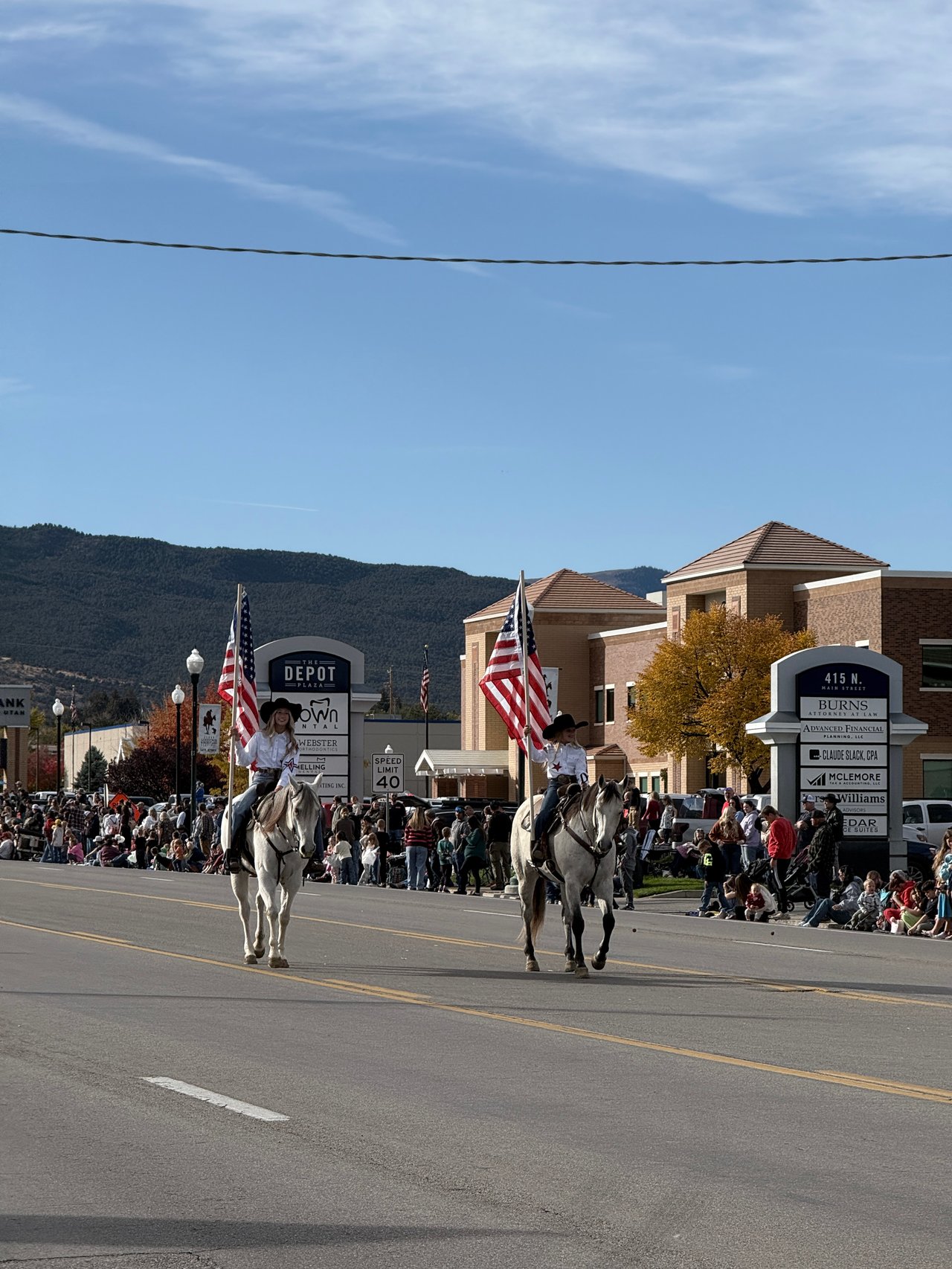
Experience one of Cedar City, Utah’s favorite fall traditions October 23–25, 2026, featuring the famous Sheep Parade, ranch rodeo, cowboy heritage, local vendors and f… Read more
Buying or selling a home is one of life’s most meaningful decisions, and having a trusted team by your side makes all the difference. With over 30 years of combined experience and deep ties to the Cedar City community, The Christensen Team offers thoughtful guidance and a highly personalized approach to every transaction. From strategy and negotiations to closing day, we ensure a smooth, seamless experience built on expertise, dedication, and proven results.
Donna Christensen
Tayler Christensen
Camry Miller
259 W 200 N Cedar City UT 84720