
Building Or Buying New Construction In Cedar City
Buying new construction in Cedar City sounds simple until you realize there is more than one path to get there. You might be deciding between a move-in-ready home, a semi-custom community, or building on your own lot from the ground up. Each option comes with a different timeline, level of control, and set of local details, so knowing the tradeoffs can save you time, stress, and costly surprises. Let’s dive in.
Cedar City gives you more than a one-size-fits-all new-build experience. City-planned inventory shows multiple active and planned areas, including 4B Ranch, Iron West, Magnolia Fields, Temple View Commons, and several South Mountain and Cove-area phases. That variety gives you room to choose a path that fits your budget, timeline, and goals.
In most cases, your decision will fall into one of three categories: spec homes, semi-custom homes, or a full build on your own lot. The best fit depends on how quickly you need to move, how many design choices you want, and how much complexity you are comfortable managing.
If timing matters most, spec homes are usually the quickest way into new construction. These homes are already under construction or recently completed, which means you may be able to move in sooner than with other options. In Cedar City, examples include spec homes at 4B Ranch and move-in-ready homes at Sage Meadows.
You may still get to choose some finishes if the home is early enough in the build process. Depending on timing, that can include flooring, lighting, tile, countertops, cabinets, and vanities. The farther along the home is, the fewer choices you are likely to have.
Spec homes can work well if you want a new home without waiting through the full design and construction cycle. They also make budgeting a little more predictable because many of the major decisions are already made. The tradeoff is less flexibility compared with a semi-custom or fully custom build.
A spec home may be a good fit if you:
Semi-custom communities sit between a spec home and a fully custom build. In this setup, the neighborhood and base floor plans are already established, but you still have meaningful choices on finishes and sometimes limited layout changes. Local examples include Meadows at Iron West, The Valley at South Mountain, and Chelsey.
This path often appeals to buyers who want personalization without taking on the full workload of designing a home from the ground up. You may be able to choose cabinets, countertops, tile, flooring, lighting, and some exterior features, while still benefiting from a more structured process.
Semi-custom can be a strong option if you want a balance of convenience and control. You get more say than you would with a spec home, but usually with fewer moving parts than a build on your own lot. That can make the experience feel more manageable, especially if this is your first time buying new construction.
Before you move forward, ask clear questions about what is standard and what costs extra. Builders and communities in Cedar City may advertise features like covered patios, upgraded lighting packages, block walls, maintenance-free exteriors, large backyards, extra garage or shop space, or animal-rights lots. Some of those items may be included, while others may be upgrades.
Ask for a breakdown of:
If you want the most control, building on your own lot offers the highest level of customization. This is the route for buyers who want to choose the land, design, layout, and many of the details from the beginning. It can be a great fit if you are looking at view lots, acreage, or a property with room for extra garage space, animals, or a more tailored setup.
It is also usually the longest and most paperwork-heavy option. The design phase often lasts three to six months, and construction commonly takes at least 12 to 16 months. Construction loans are typically short-term and often involve interest-only payments during the build.
That longer timeline matters in Cedar City because building is not just about plans and materials. Local approvals, inspections, and utility coordination all affect the schedule. If your lot is outside Cedar City limits, county requirements may add another layer of review.
If you are building on a lot in Cedar City, the city’s Building & Zoning department requires a complete digital submittal before plan review begins. That includes stamped structural plans, a site plan, a geotechnical datasheet, prairie dog clearance, signed energy-code compliance documents, and any applicable water-acquisition or impact-fee documentation.
Cedar City’s adopted codes currently include the 2021 IRC, 2023 NEC, 2021 IBC, 2021 IPC, 2021 IMC, 2021 IFGC, and 2015 IECC residential provisions. Inspections require at least one business day’s notice, and a water meter inspection sign-off is required before the final building inspection. Those details can affect your builder’s timeline and your move-in expectations.
If your property is outside Cedar City limits, Iron County has its own checklist. Depending on the lot, requirements can include a septic permit or sewer hookup receipt, proof of water hookup or a domestic water-rights deed, geologic-condition reporting, prairie dog clearance, wildland-interface fire-hazard documentation, and full site and structural plan submittals. The county also states that no digging, trenching, or excavation may begin until the building permit is issued.
One of the biggest mistakes buyers make is focusing only on the house itself. On a land build, site and utility details can add both time and cost. In Cedar City, new water, sewer, storm-drain, and garbage service accounts are handled through the city billing office, which means utility setup is part of the building process, not just a final move-in task.
For lots outside the city, water and sewer solutions may look different and may require more documentation. You may also need to account for geotechnical work, water-rights issues, or other site-specific requirements before building can move forward. These are the kinds of items that can reshape a budget if you do not ask about them early.
New construction often feels exciting because of the design choices, but not all upgrades have equal impact. Common early decisions include flooring, lighting, tile, countertops, cabinets, vanities, exterior finishes, patios, and landscaping. The key is knowing what you are paying for and what value it adds to your daily life.
In Cedar City, landscaping deserves special attention. The city limits lawn irrigation from April 1 through October 31 between 8 a.m. and 6 p.m., and its water-rate structure emphasizes conservation. That makes water-wise landscaping and efficient irrigation worth discussing when you compare standard features and exterior upgrade packages.
A good rule is to separate your wish list into three buckets:
That approach can help you stay focused on the features that matter most without stretching your budget on every showroom option.
Choosing a builder is just as important as choosing the home or lot. You want to look beyond model-home finishes and ask practical questions about reputation, pricing, communication, and follow-through. A polished presentation matters less than a clear contract and a reliable process.
A strong evaluation usually includes:
The Iron County Home Builders Association can also be a useful local starting point when researching builders. If you are comparing multiple options, keep your notes organized so you can evaluate more than just price.
Builder warranties and home warranty service contracts are not the same thing. Most new-home warranties generally cover workmanship and materials for one year, major systems like HVAC, plumbing, and electrical for two years, and some structural defects for up to 10 years, depending on the builder.
That is why it helps to get specific. Ask what is covered, how claims are submitted, what deadlines apply, and whether any third-party warranty is part of the purchase. If you are using certain loan types on a newly built home, a third-party warranty may be required.
It is easy to assume the on-site sales representative is there to guide you through the whole decision. They can absolutely help you understand the builder’s process and available homes, but they work for the builder. Their role is different from a buyer’s agent, whose job is to represent your interests.
With new construction, independent representation can be especially helpful because there are so many moving parts. A buyer’s agent can help you compare Cedar City communities, sort through builder contracts and payment schedules, track inspection timing, and stay organized through warranty follow-up after closing.
For many buyers, that support becomes even more valuable when they are relocating, buying remotely, or comparing a spec home with a semi-custom or lot-build option. Having someone local who understands Cedar City, Iron County, and the pace of new construction can make the process feel much clearer.
There is no single right answer for every buyer. The best route depends on your timeline, budget, tolerance for complexity, and how much personalization you want. If you want speed and simplicity, a spec home may be the better choice. If you want some design input without a full custom timeline, semi-custom may be the sweet spot. If you want the most flexibility and are prepared for a longer process, building on your own lot may be worth it.
In Cedar City, the right decision also depends on where you plan to buy and how much local coordination the property will require. That is especially true if you are weighing city lots, county parcels, utility questions, or community upgrade packages. The more clearly you understand those details upfront, the smoother your experience tends to be.
If you are exploring new construction in Cedar City and want local guidance on spec homes, semi-custom communities, or building lots, Tayler Christensen can help you compare your options and move forward with clarity.

Cedar City
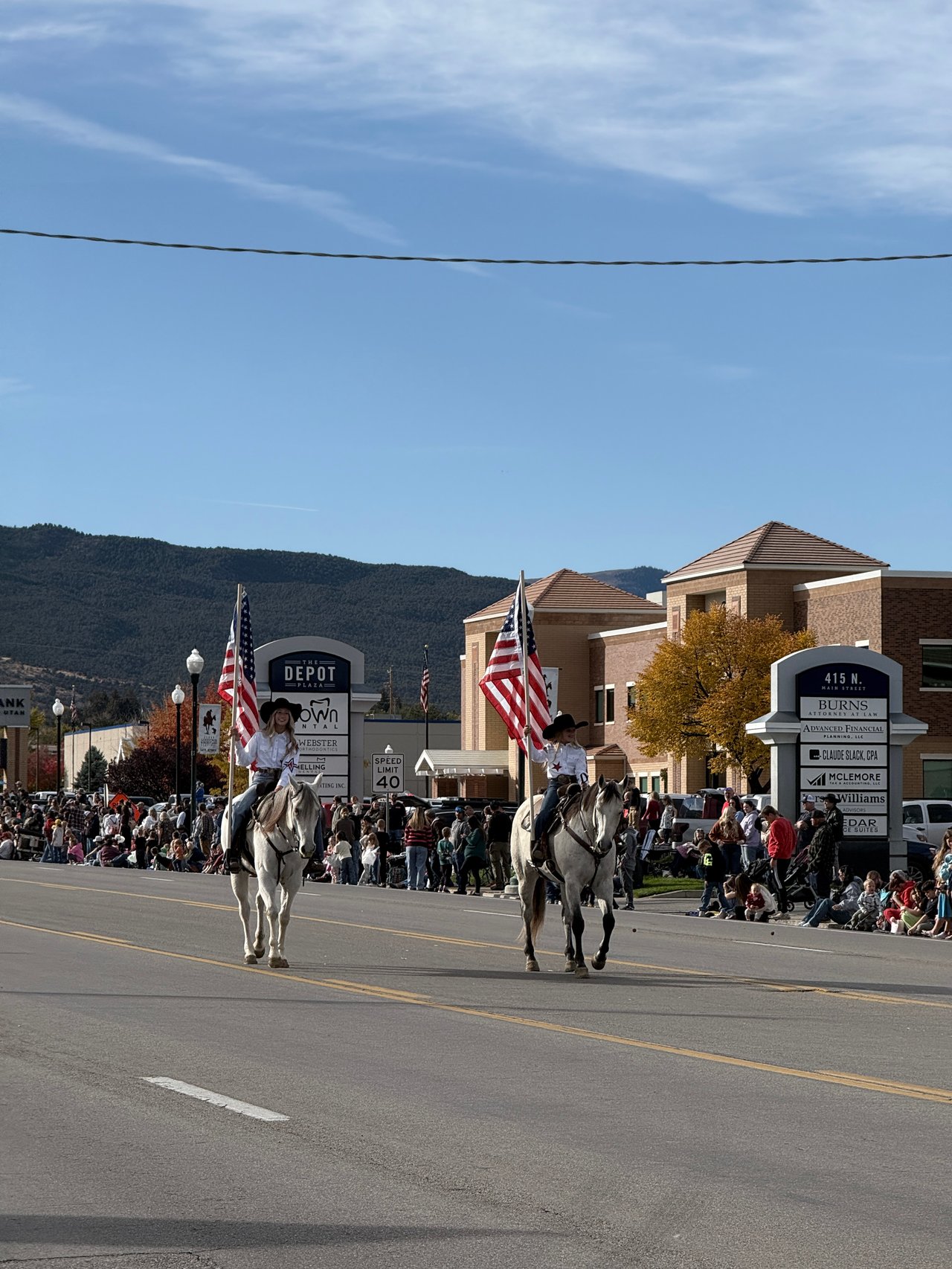
Experience one of Cedar City, Utah’s favorite fall traditions October 23–25, 2026, featuring the famous Sheep Parade, ranch rodeo, cowboy heritage, local vendors and f… Read more
Buying or selling a home is one of life’s most meaningful decisions, and having a trusted team by your side makes all the difference. With over 30 years of combined experience and deep ties to the Cedar City community, The Christensen Team offers thoughtful guidance and a highly personalized approach to every transaction. From strategy and negotiations to closing day, we ensure a smooth, seamless experience built on expertise, dedication, and proven results.
Donna Christensen
Tayler Christensen
Camry Miller
259 W 200 N Cedar City UT 84720