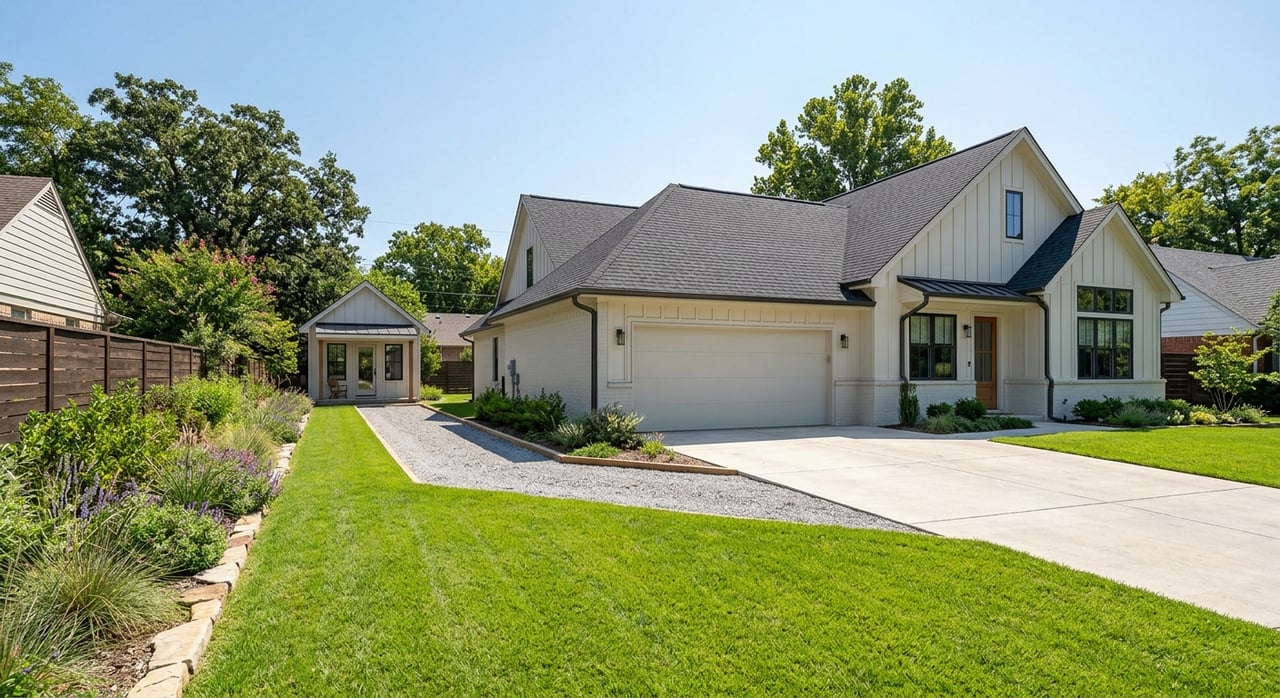
Enoch Land Choices: Acreage Versus Neighborhood Lots
Trying to choose between a larger piece of land and a neighborhood lot in Enoch? That decision can shape your budget, your timeline, and your day-to-day ownership experience more than many buyers expect. If you are weighing privacy, flexibility, and room to spread out against convenience and predictability, this guide will help you compare the tradeoffs with a local lens. Let’s dive in.
Enoch’s planning documents show a city that is balancing growth with its rural character. The city supports a mix of residential, agricultural, commercial, industrial, and public uses while aiming to provide services efficiently and cost-effectively.
That matters because acreage and neighborhood lots do not work the same way in Enoch. Smaller single-family zones and rural residential zones can lead to very different expectations for lot size, utilities, and future use.
One of the easiest ways to understand the difference is by looking at average lot sizes in the city’s planning documents. Enoch’s 2024 stormwater plan lists average lot sizes of about 0.44 acres in R-1-11, 0.81 acres in R-1-18, 2.39 acres in R-R-1, and 3.63 acres in R-R-5.
In simple terms, neighborhood lots are usually found in the smaller single-family zones, while acreage is more often tied to rural residential zoning. If you are comparing properties, the zone can give you an early clue about how the land may function and what kind of ownership experience you are stepping into.
If you want a rural feel, more separation from neighbors, and greater control over how you use your property, acreage may be the better fit. Many buyers are drawn to larger parcels for privacy, open space, and the ability to think long term about how they want the property to live.
That said, more land often comes with more decisions. In Enoch, larger parcels may require closer review of drainage, access, utility placement, and water-right questions, especially if the property is not already part of a finished subdivision.
In Enoch, land ownership is not just about the home site. The city operates both a culinary water system and a secondary irrigation system, and outdoor irrigation follows a schedule that includes no irrigation on Sundays and no irrigation from 8 a.m. to 8 p.m. on city water.
If you are considering acreage, that makes landscape water demand part of your planning. A bigger parcel can offer more freedom, but it can also mean a more active role in thinking through irrigation and ongoing outdoor upkeep.
For some buyers, acreage is attractive because it can support multigenerational living or future flexibility. Enoch’s zoning definitions show that rural residential districts and R-1-18 both allow internal accessory dwelling units and guest houses or external accessory dwelling units.
There are still limits to know. The city caps an external accessory dwelling unit at 800 square feet, and utility metering and any added connection fees are tied to municipal utility and water-right rules. If a guest house or similar setup matters to you, it is smart to verify zoning early.
If your goal is speed, predictability, and a more straightforward ownership experience, a neighborhood lot is often the more realistic path. In many cases, the subdivision and utility framework is already in place, which can reduce the number of site-specific unknowns.
That does not mean there are no rules or costs. It usually means more of the groundwork has already been standardized through the subdivision process.
Even on a finished neighborhood lot, drainage is an important part of ownership in Enoch. The city says residents need a permit to change drainage along the front of their properties, and it created a separate storm-drain enterprise fund after past flooding problems.
This is a good reminder that a smaller lot may reduce private upkeep in some ways, but it is still connected to city-managed drainage and utility systems. Buyers should treat stormwater as a real planning and budget topic, not a minor detail.
For many buyers, the real question is not just acreage versus neighborhood lot. It is whether the property is already build-ready or whether you will need to help create that path.
In Enoch, the subdivision process is a major dividing line. The city’s engineering department reviews subdivision applications in preliminary and final plat stages, and complete applications are reviewed within 15 business days.
If the parcel is raw land, the city may require several items before a final plat can move forward, including:
Even at the building permit stage, Enoch requires a detailed site plan showing lot lines, adjoining streets and rights-of-way, existing structures, utility lines, and motor-vehicle access and circulation. That is one reason finished neighborhood lots often feel more predictable.
In Enoch, water rights are one of the biggest variables when you buy land to build. The city’s current ordinance says a new single-family development must pay a Water Acquisition Fee tied to acreage and expected water use.
That fee can be met by transferring a qualifying Priority Water Right or by paying cash. The ordinance states that a single-family lot development uses 0.88 acre-feet of agriculture water right or 0.50 acre-feet of municipal and industrial water right per lot.
The city also states that properties with both culinary and secondary water meters are billed separately and are assigned a full one-acre Priority Water Right value for the new connection. For buyers comparing parcels, this is a major reason not to assume one lot will function like another.
A property with more land may offer more freedom, but the water-right side of the budget can be very different from what you would see on a smaller lot in an established subdivision.
Stormwater is not just a planning issue in Enoch. It is also part of the cost conversation.
The city’s storm-drainage information says storm drains and sewer are not connected and should never be connected. It also notes a separate storm-drain enterprise fund, and the 2024 stormwater plan set the maximum impact fee as high as $6,020 per quarter-acre lot in the R-1-11 zone, along with an $8 monthly storm drainage fee increase.
This is especially important for buyers who assume smaller lots automatically mean minimal infrastructure costs. A neighborhood lot may be more predictable, but it still comes with city-level utility and stormwater considerations.
The right answer depends on what matters most to you. In Enoch, this choice is usually less about which option is better overall and more about which option better matches your priorities.
If you value privacy, separation, and long-term flexibility, acreage may be worth the added due diligence. If you value speed, a clearer path to building, and fewer unknowns, a neighborhood lot may be the better fit.
Before you commit to either type of property, ask a few practical questions early. These can help you avoid surprises and compare options more clearly.
These questions can quickly reveal whether a property is a simple fit or a more complex project. In a market like Enoch, that clarity can save you time and help you budget more realistically.
When you are comparing acreage to neighborhood lots, the details can look small at first and become major later. Zoning, water rights, subdivision status, drainage, and utility planning all influence what the property will actually require from you.
That is why local guidance matters so much with land and building-lot decisions. A clear understanding of how Enoch handles these issues can help you choose the option that fits your goals, your timeline, and your comfort level with complexity.
If you are exploring land, building lots, or new construction opportunities in Enoch, Tayler Christensen can help you sort through the practical differences and find the right fit for your next move.
Cedar City
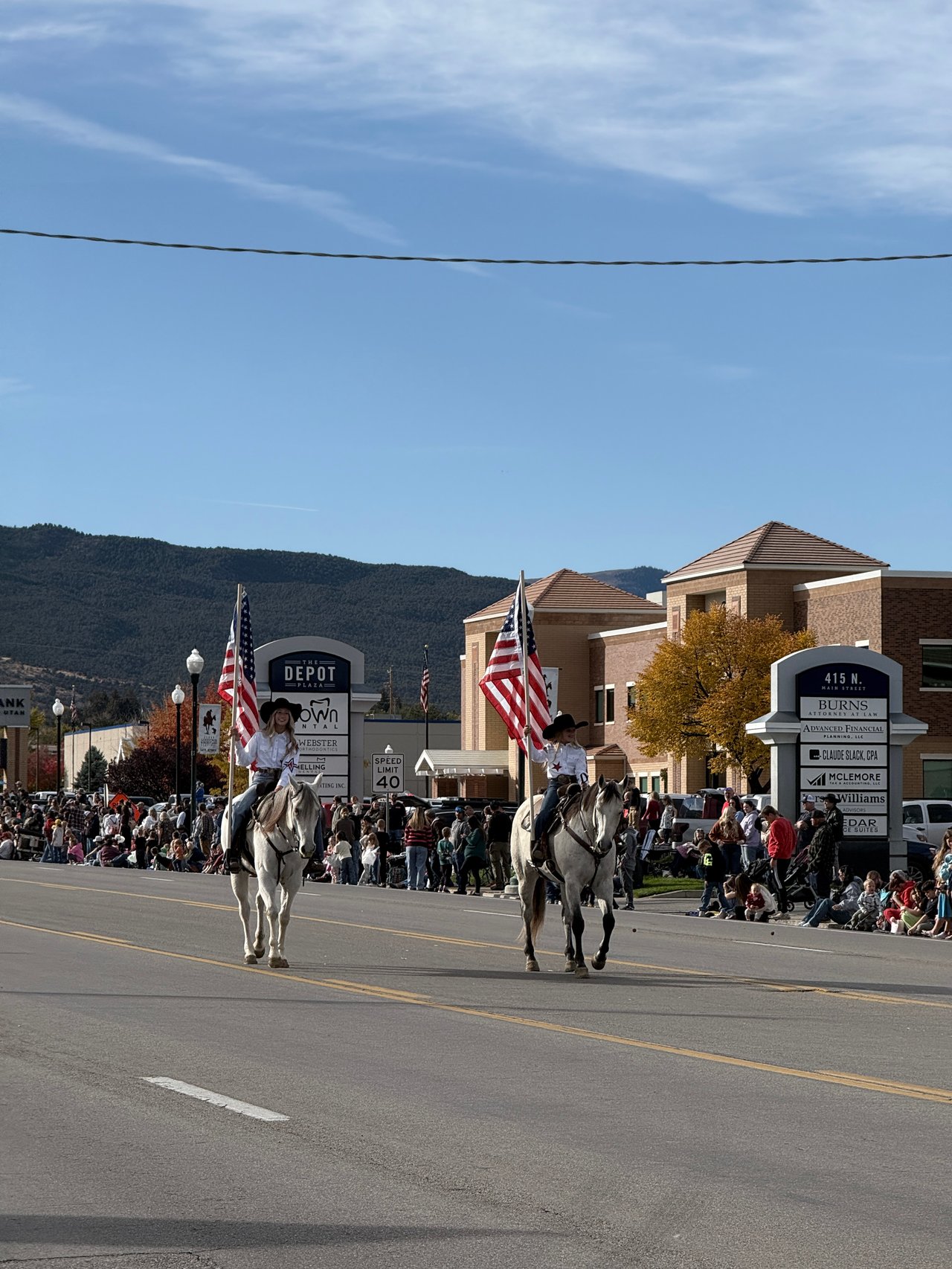
Experience one of Cedar City, Utah’s favorite fall traditions October 23–25, 2026, featuring the famous Sheep Parade, ranch rodeo, cowboy heritage, local vendors and f… Read more
Buying or selling a home is one of life’s most meaningful decisions, and having a trusted team by your side makes all the difference. With over 30 years of combined experience and deep ties to the Cedar City community, The Christensen Team offers thoughtful guidance and a highly personalized approach to every transaction. From strategy and negotiations to closing day, we ensure a smooth, seamless experience built on expertise, dedication, and proven results.
Donna Christensen
Tayler Christensen
Camry Miller
259 W 200 N Cedar City UT 84720