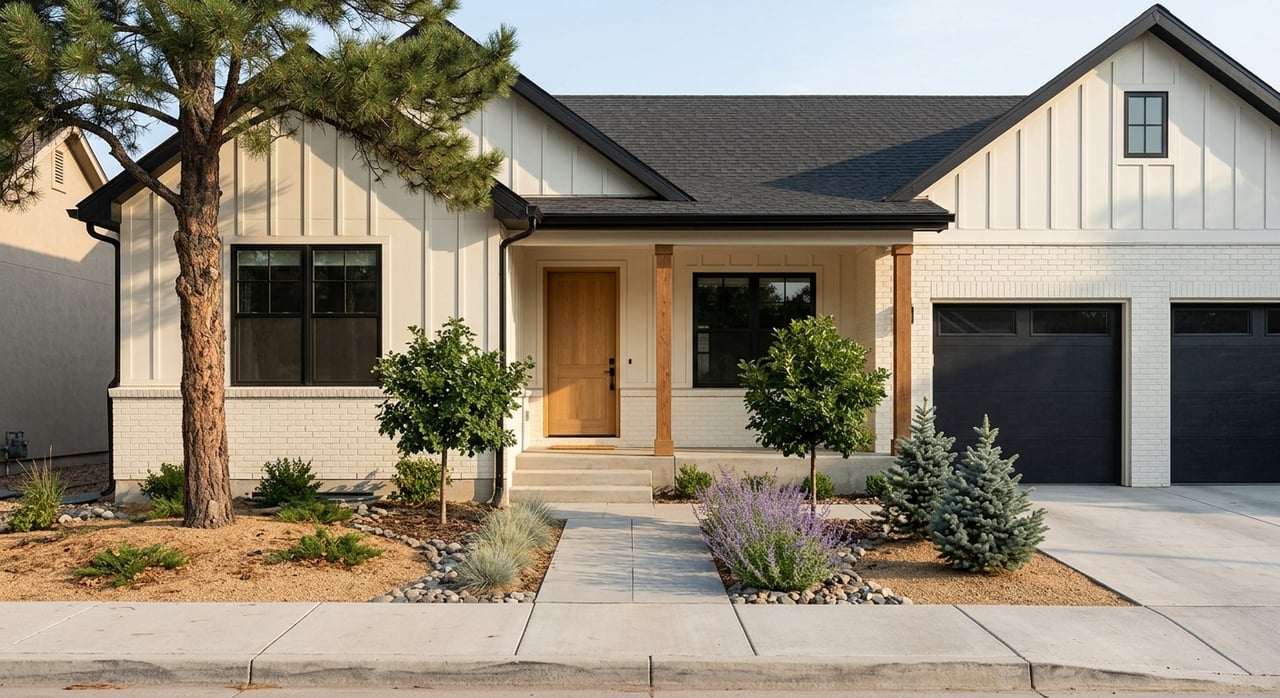
Living Near SUU And Downtown Cedar City
If you want a home where campus energy, local events, and daily convenience all come together, the area near Southern Utah University and downtown Cedar City deserves a close look. This part of town feels different from newer subdivisions because it blends historic homes, walkable streets, and a busy central-city rhythm. Whether you are relocating, buying your first home, or looking for a property with character in a more connected setting, this guide will help you understand what living here is really like. Let’s dive in.
Living near SUU and downtown Cedar City gives you access to one of the city’s most compact and connected areas. Historic Downtown is centered around Main Street from 200 South to the Iron County Tourism Building and from 100 East to 300 West, while the nearby historic district extends from Shakespeare Lane to 200 South and from 100 West to 300 West.
When you add SUU’s central campus to that footprint, you get a neighborhood zone that feels more like a true town center than a spread-out suburban area. For many buyers, that means shorter trips, more activity, and a stronger sense of place.
If you picture rows of brand-new homes, this area may not be the right fit. The Cedar City Historic District includes 172 homes, and the city notes that many are historically significant and include some of the oldest houses in Cedar City.
The housing mix spans from the 1880s into the mid-1960s. That creates a streetscape with older character homes, a range of architectural styles, and a look that reflects Cedar City’s earlier growth.
Older central neighborhoods usually offer more variety from one block to the next, and that is true here. Some homes are tied to Cedar City’s early farming and ranching roots, while later properties reflect revival styles from the early 20th century.
For you as a buyer, that means home searches in this area often focus on layout, condition, lot use, and architectural character rather than finding a uniform neighborhood feel. If you want personality and history, that can be a real advantage.
The area also has some adaptive reuse. National Register documentation notes that some historic homes have been converted to inns, which shows that residential, visitor, and heritage uses can overlap in this central part of Cedar City.
That does not mean every block feels commercial. It means the neighborhood has a lived-in, active quality that comes with being close to both downtown and a university campus.
Southern Utah University is a major part of daily life in this area. SUU says students living on campus are typically only a 1 to 10 minute walk from school buildings and events, which helps define just how close and compact the area is.
Even if you are not a student, that proximity matters. Buyers connected to the university, including faculty, staff, or households that want to stay close to campus activity, often see location here as a major benefit.
SUU offers several on-campus housing options, including Cedar Hall, Eccles Living Learning Center, Founders Hall, The Cottages, Family, Hillside Apartments, and College Park. That creates a steady campus-centered housing pattern in the surrounding area.
The university also maintains an off-campus housing page for third-party rentals. SUU makes it clear that it does not own, inspect, or supervise those properties, so if you are considering an investment or a home near rental activity, it is important to evaluate each property on its own merits.
One of the strongest reasons people like this part of Cedar City is simple: you can do more without getting in the car. The downtown program highlights walkable streets, and the campus itself is built around short walking times.
That can make everyday life feel easier. Depending on your exact address, you may be closer to downtown services, campus events, museums, and local businesses than you would be in other parts of the city.
Cedar Area Transportation provides fixed-route bus service throughout Cedar City, Dial-A-Ride service for eligible riders, and Saturday service. Full-time SUU students can also access a Cool CAT Student Pass.
For residents near campus and downtown, transit can serve as a useful backup or regular option. The city describes fares and passes as low-cost, which adds flexibility for households that want alternatives to driving for every trip.
There is one practical tradeoff to know. The Utah Shakespeare Festival notes that parking near the theaters can change due to construction and SUU’s fall semester activity.
If you love being close to popular events, that may feel like a small price to pay. Still, it is smart to understand that event-season parking pressure is part of living in an active central district.
This area offers more than convenience. It also places you near some of Cedar City’s best-known cultural destinations.
The Southern Utah Museum of Art is located on SUU’s campus at 13 South 300 West. It is free and open to the public year-round on a set schedule, which gives nearby residents an easy way to enjoy local arts access.
The Utah Shakespeare Festival is also on campus and runs from June through October. The festival describes itself as a professional repertory theater company presenting Shakespeare, musicals, and other plays in three theaters at the Beverley Taylor Sorenson Center for the Arts.
Downtown Cedar City is not just a place to run errands. The city uses the area for community events and civic programming, which helps keep the central core active throughout the year.
One example is the Downtown Lighting Ceremony, which uses Main Street and Center Streets for activities, carriage rides, a Christmas market, and the lighting event itself. If you enjoy living where the community gathers, this can be a major plus.
Living in the center of town does not mean giving up access to recreation. Cedar City Leisure Services lists parks, the aquatic center, the golf course, Cross Hollow Arena, and sports and recreation programming.
That broader amenity mix helps explain why this part of town can work for many types of buyers. You get central-city convenience while still being connected to the city’s wider recreation options.
If you want a home with history, walkability, and a more established setting, this area may be a strong match. The neighborhood fabric is shaped by older homes, downtown access, and university energy rather than newer subdivision planning.
That often appeals to buyers who want something distinct and central. It can also be a good fit if you prefer to be near events, arts venues, and civic services.
This is not the part of Cedar City most people choose for a brand-new subdivision layout. The research points clearly to a character-rich district with older housing stock and mixed central uses.
If your top priority is newer construction, a more uniform streetscape, or a quieter edge-of-town setting, other areas of Cedar City may line up better with your goals. The right fit depends on how you want your day-to-day life to feel.
Before you buy in this area, it helps to focus on a few practical questions:
A local home search here usually requires more block-by-block attention than a typical subdivision search. Street feel, home age, updates, and proximity to campus or downtown activity can all vary in a relatively small area.
If you are weighing homes near SUU or downtown Cedar City, having local guidance can make a big difference. The area offers real charm and convenience, but the best choice often comes down to matching the right property to the lifestyle you want. When you are ready to explore central Cedar City with a team that knows the local market well, connect with Tayler Christensen.
Buying or selling a home is one of life’s most meaningful decisions, and having a trusted team by your side makes all the difference. With over 30 years of combined experience and deep ties to the Cedar City community, The Christensen Team offers thoughtful guidance and a highly personalized approach to every transaction. From strategy and negotiations to closing day, we ensure a smooth, seamless experience built on expertise, dedication, and proven results.
Donna Christensen and Tayler Christensen
259 W 200 N Cedar City UT 84720